

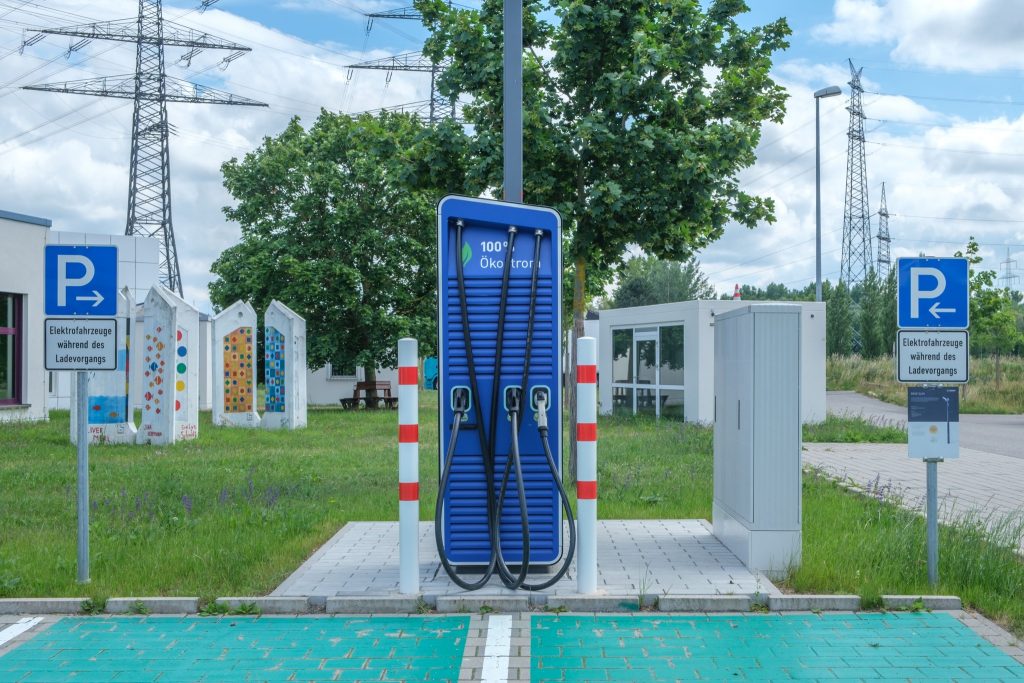
Thinking of getting an EV charging station Malaysia? You’re not alone. More Malaysians are switching to electric vehicles, and the first question is always: can my home or shop handle the charger? The answer depends on your existing wiring, your DB box, and your TNB supply. In this guide, we explain what a proper EV charger installation involves, the safety checks that matter, and how a licensed electrical contractor Malaysia can help you do it right.
Why You Need a Proper EV Charger Installation
An EV charger is not like plugging in a kettle. It draws a lot of power for hours at a time. If your wiring, distribution board (DB box), or earthing is not up to the job, you risk tripping, overheating, or worse. A proper installation by a licensed electrician keeps your car, your home, and your family safe.
Many older Malaysian homes were wired for basic lighting and air‑con units. Adding a 7kW or 22kW charger may need a dedicated circuit, a bigger MCB, and sometimes an upgrade to your TNB supply. That’s where electrical installation services come in — not just mounting a box on the wall.
What a Safe EV Charging Station Installation Involves
A good installer follows a clear process. Here’s what you should expect.
1. Load Calculation and Supply Check
We add up the load of your existing appliances and the charger. This tells us if your single-phase or three-phase supply can take it. If not, we advise on a TNB supply upgrade application.
2. Dedicated Circuit and Protection
The charger gets its own circuit from the DB box. We fit the right MCB and an RCD (ELCB) for earth leakage protection. This is critical — it cuts power fast if something goes wrong.
3. Earthing and Cable Sizing
Proper earthing and correctly sized cables prevent voltage drop and overheating. We follow MS IEC wiring standards so your installation is safe and durable.
4. Testing and Handover
After installation, we test the charger, check for leaks to earth, and show you how to use it. You get a safer, ready‑to‑use station.
Home, Shop, or Factory: Which EV Charger Fits Your Site?
Different sites need different setups. Here’s a quick guide.
- Landed homes: Usually a wall‑mounted AC charger in the car porch. Often single‑phase, 7kW.
- Shops and offices: May need a few chargers for staff or customers. Load balancing helps share power safely.
- Factories and warehouses: Often three‑phase for faster charging of fleet vehicles. Requires a proper electrical maintenance services plan.
- Condos and apartments: You’ll need approval from the JMB or management. We can advise on the wiring route and metering.
If you run a business, think of the charger as part of your electrical wiring services — it should be planned with your future needs in mind.
Common Problems We See (and How to Avoid Them)
We’ve fixed many DIY or poorly done charger jobs. Here are the usual issues.
- Overloaded DB box: The charger shares a circuit with other heavy loads. It trips often.
- No RCD protection: A shock risk, especially in wet car porches.
- Undersized cable: Cable gets warm and wastes energy. Can be a fire risk.
- Poor earthing: The charger may not work reliably or may be unsafe.
- No TNB approval: For bigger loads, you need TNB’s okay. We handle the application.
If you notice any of these, call a professional for electrical repair Malaysia wide. Don’t wait for a failure.
Why Choose a Licensed Electrical Contractor Malaysia
EV charging is a long‑term investment. A licensed contractor ensures the work meets safety standards and your warranty stays valid. We also offer electrical maintenance services to keep your charger and wiring in good shape year after year.
From TNB applications to final testing, we handle the whole process. You get a safe, reliable charging station without the guesswork.
Ready to install your EV charging station Malaysia? Contact our electrical team for a site inspection, a clear quotation, or a friendly chat about your options. We’ll help you charge safely at home or at work.