

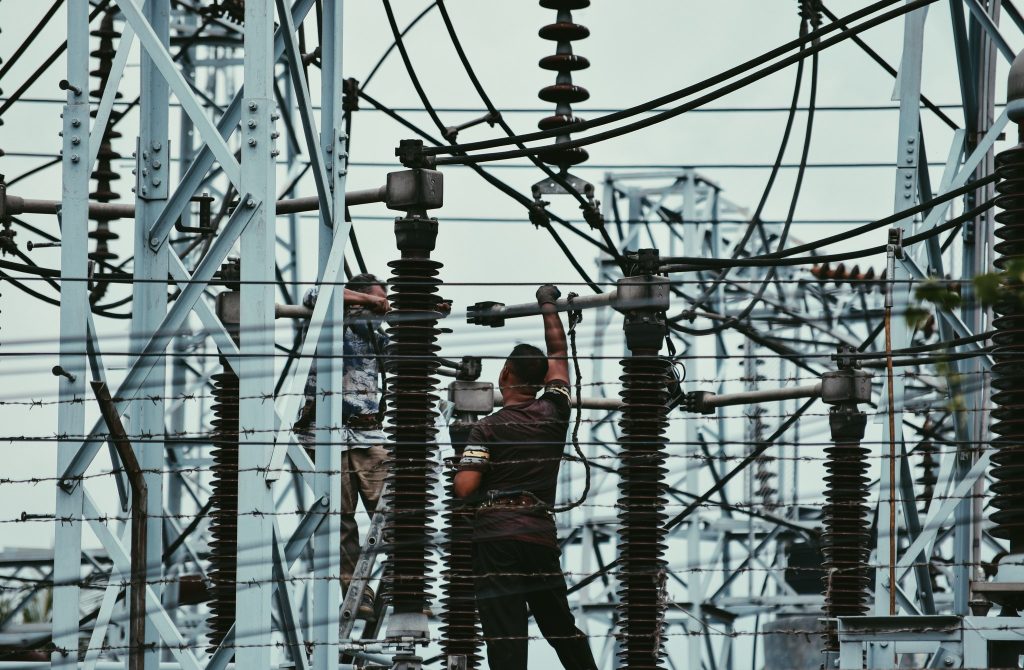
Your home’s electrical system works quietly in the background — until something goes wrong. Flickering lights, a tripping DB box, or a burning smell near a socket are signs you should not ignore. In this guide, we explain what a residential electrician in Malaysia actually does, when you need one, and how to choose someone qualified. It is written for Malaysian homeowners who want safe, reliable electricity without guesswork.
What a Residential Electrician in Malaysia Really Does
A residential electrician handles everything from new wiring to fault finding in your home. In Malaysia, this work must follow MS IEC wiring standards and be done by a competent person. It is not a DIY job — mistakes can cause shocks, fires or damage to your appliances.
Here are the main jobs a residential electrician covers:
- Electrical wiring services — running new cables, replacing old ones, and installing conduits and trunking.
- Electrical installation services — fitting lights, fans, sockets, switches, water heaters and air-conditioner points.
- Electrical repair Malaysia — fixing tripping breakers, dead sockets, short circuits and faulty switches.
- Electrical maintenance services — checking your distribution board (DB box), testing earth leakage protection and tightening loose connections.
- Testing and certification of new wiring before you move in or hand over a rental unit.
If you are renovating, extending, or just moving into a resale home, an electrical contractor Malaysia can assess your current setup and recommend what needs upgrading. This is especially important for older houses that may still use old-style fuses or undersized cables.
Warning Signs Your Home Needs an Electrician
Electrical problems rarely fix themselves. The earlier you call someone, the safer and cheaper it usually is. Watch for these signs:
- Lights that flicker or dim when you turn on an appliance.
- The MCB or RCD/ELCB trips often, especially in wet areas.
- Warm or discoloured sockets and switches.
- A burning smell near the DB box or any outlet.
- Buzzing sounds from the switchboard.
- Old two-pin sockets or cables that look cracked and brittle.
Any of these could point to loose wiring, overloaded circuits or poor earthing. Earthing is the safety path that sends fault current to the ground instead of through you. If it is missing or damaged, your family is at risk.
Why You Should Not Ignore a Tripping Breaker
A breaker that trips once is normal. A breaker that trips every day is telling you something. It could be an overloaded circuit, a faulty appliance, or a wiring fault. A residential electrician can test each circuit and find the real cause instead of just resetting the breaker.
When to Rewire Your Home
If your house is more than 25 to 30 years old and still has the original wiring, it is worth getting it checked. Old rubber-insulated cables can become brittle and unsafe. A full rewire is a big job, but it protects your home for decades. Your electrician will check the load calculation — this is simply working out whether your incoming supply and DB box can handle everything you plug in, from air-conditioners to induction cookers.
How to Choose a Good Electrical Contractor in Malaysia
Anyone can call themselves an electrician. To protect your home, look for someone who is properly qualified and insured. Here is what to check:
- Ask if they are a licensed electrician registered with the relevant authority.
- Request a written quotation that lists materials, labour and warranty.
- Ask whether they will provide a test report after the work.
- Check that they use proper cable sizes and branded components.
- See if they offer follow-up electrical maintenance services.
A good contractor will also explain what they are doing in plain language. If someone cannot tell you why a cable size or breaker rating was chosen, that is a red flag. For TNB supply applications — such as upgrading from single-phase to three-phase — you need an experienced contractor who understands the submission process.
Simple Habits That Keep Your Home Safe
You do not need to be an expert to reduce electrical risks. Small habits go a long way:
- Do not overload one socket with multiple adapters.
- Keep water away from sockets and switches.
- Test your RCD/ELCB using the test button every few months.
- Use qualified electricians for any new installation — never a handyman for wiring.
- Schedule a professional inspection every few years, especially for older homes.
If you run a business from home, your needs may be closer to commercial work. Shops, offices and small factories often need three-phase supply, dedicated circuits and regular preventive maintenance. A contractor who handles both homes and commercial premises can grow with you.
Ready to make your home safer? Contact our electrical team for an inspection, a free quotation or a site visit. We will check your DB box, wiring and earthing, then explain your options clearly — no jargon, no pressure. Reach out today and let a qualified residential electrician in Malaysia give you peace of mind.