

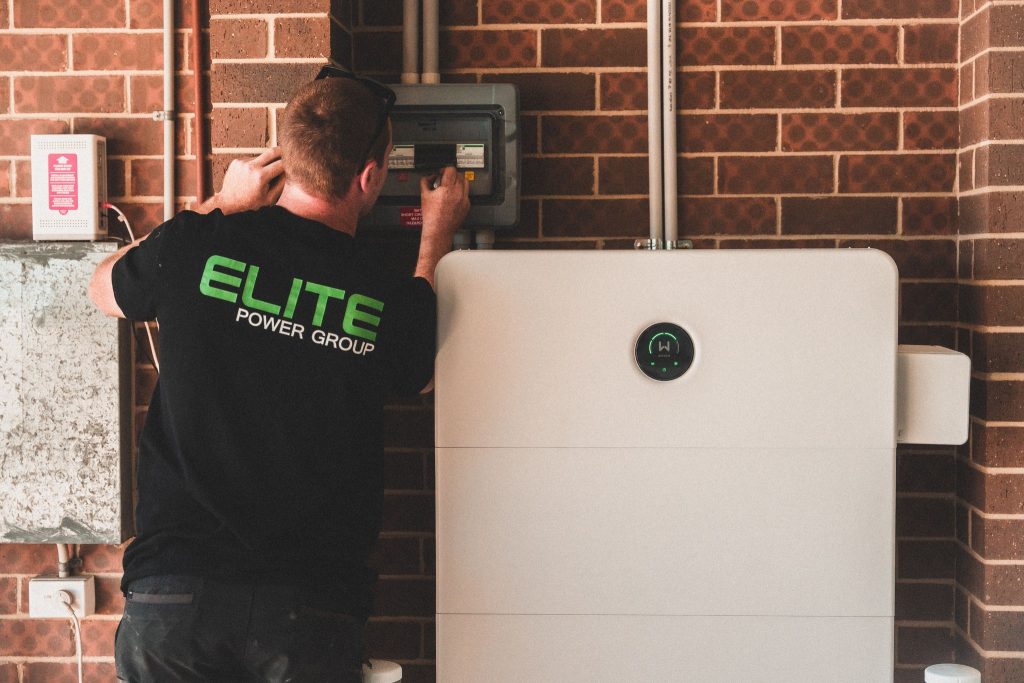
Thinking about getting a home EV charger installation in Malaysia? You’re not alone. More Malaysians are switching to electric vehicles, and charging at home is the most convenient way to keep your car ready. But before you buy a charger, you need to make sure your home’s electrical system can handle it safely. This guide explains what’s involved, from checking your DB box to working with a qualified electrician. Let’s walk through it step by step.
Why Home EV Charger Installation Needs a Professional
An EV charger is not like plugging in a phone. It draws a lot of power for hours at a time. That means your wiring, distribution board (DB box), and earth leakage protection must be up to the job. A proper home EV charger installation involves more than mounting a box on the wall. It requires load calculation, correct cable sizing, and dedicated circuit protection.
In Malaysia, all wiring work must follow MS IEC wiring standards and be done by a competent electrician. DIY or unlicensed work can void your insurance and put your family at risk. That’s why you should always engage a licensed electrical contractor Malaysia homeowners trust for safe, compliant work.
What to Check Before Installing a Home EV Charger
Before you buy a charger, your electrician will assess your home’s electrical capacity. Here are the key things they’ll look at:
- Supply type and capacity: Is your home single-phase or three-phase? What is your TNB supply rating? This affects the maximum charger power you can install.
- DB box condition: Is there space for a new circuit breaker? Is the existing wiring in good shape? Older homes may need an upgrade.
- Earthing system: Proper earthing is critical for safety. Your electrician will check the earth resistance and ensure it meets standards.
- Cable route and distance: The cable run from your DB box to the charger location affects cable size and cost. Longer runs may need thicker cables.
- Charger type: AC chargers are common for homes. The charger’s power rating (e.g., 7kW or 11kW) must match your supply.
This assessment is part of professional electrical installation services. It ensures your new charger works safely without overloading your system.
The Installation Process: Step by Step
Once the assessment is done, your electrician will plan the installation. Here’s what typically happens:
1. Load Calculation and Circuit Design
Your electrician calculates the total electrical load of your home to ensure the new charger won’t overload the supply. They’ll design a dedicated circuit with the right MCB (miniature circuit breaker) and RCD (residual current device) for safety.
2. Wiring and Mounting
The charger is mounted at a suitable location, usually near your parking spot. The electrician runs a dedicated cable from the DB box to the charger, using conduit or trunking for protection. All electrical wiring services must be done neatly and according to standards.
3. Testing and Commissioning
After wiring, the electrician tests the installation. They check for correct polarity, earth continuity, and RCD tripping time. They’ll also test the charger to make sure it charges your car properly. Only then is the job complete.
Ongoing Safety and Maintenance
After installation, regular checks keep your EV charger safe. Electrical maintenance services should include inspecting the charger, cables, and DB box for signs of wear or overheating. If you notice any issues, such as a tripping breaker or a warm cable, call for electrical repair Malaysia promptly. Don’t ignore problems — they can become hazards.
Also, make sure your home has working earth leakage protection. An RCD protects you from electric shock. Test it monthly using the test button.
Ready to install your home EV charger? Contact our friendly electrical team for a site visit, inspection, or quotation. We’ll help you plan a safe and reliable home EV charger installation that suits your home and your car. Reach out today — we’re happy to answer your questions.