

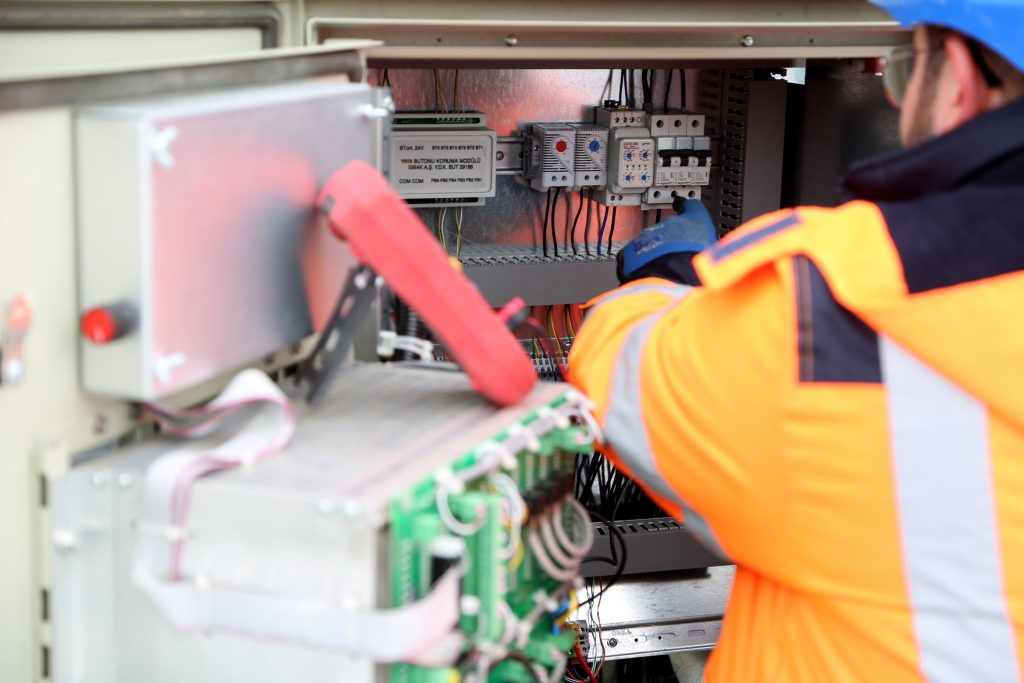
As a business owner or facility manager in Malaysia, you rely on a safe and reliable electrical supply to keep things running smoothly. But electrical systems don’t stay in good shape on their own. Without regular commercial electrical maintenance, small issues can turn into costly breakdowns or even fire hazards. In this article, we’ll explain what commercial electrical maintenance involves, why it matters, and how you can protect your premises. We’ll also share practical tips to help you avoid common electrical problems.
Why Commercial Electrical Maintenance Matters
Electrical systems in shops, offices, and factories work hard every day. Over time, components wear out, connections loosen, and dust builds up. These issues can lead to overheating, short circuits, or even fires. Regular maintenance helps you catch problems early, before they cause downtime or danger.
In Malaysia, the hot and humid climate can speed up wear and tear. Moisture can get into outdoor wiring, and heat can cause insulation to crack. That’s why it’s important to have a licensed electrician inspect your system regularly. They can spot signs of trouble that you might miss.
Additionally, proper maintenance helps you comply with safety regulations. While we won’t list specific rules here, it’s your responsibility to ensure your electrical installation is safe for employees and customers. A well-maintained system reduces the risk of accidents and legal issues.
What Does Commercial Electrical Maintenance Include?
A thorough maintenance programme covers more than just a quick look. It involves a series of checks and services performed by a qualified electrical contractor Malaysia-based. Here are the key areas:
1. Inspection of the Distribution Board (DB Box)
The DB box is the heart of your electrical system. It houses the main switch, circuit breakers (MCBs), and residual current devices (RCDs or ELCBs). During maintenance, the electrician will check for loose connections, signs of overheating, and correct operation of safety devices. They’ll also test the RCD to ensure it trips quickly in case of a fault.
2. Wiring and Cable Checks
Old or damaged wiring is a major fire risk. The electrician will inspect visible wiring for wear, rodent damage, or improper installation. They may also perform insulation resistance tests to check the condition of hidden cables. If any issues are found, they’ll recommend repairs or rewiring using proper electrical wiring services.
3. Testing of Safety Devices
Safety devices like RCDs and earth leakage circuit breakers are your first line of defence against electric shock. Regular testing ensures they’ll work when needed. The electrician will also check the earthing system to make sure it’s effective.
4. Load and Thermal Checks
Overloaded circuits can cause overheating and fires. The electrician will measure the current on each circuit and compare it to the rated capacity. They may use a thermal camera to spot hot spots in the DB box or at outlets. If loads are too high, they might suggest redistributing circuits or upgrading the supply.
5. Lighting and Equipment Inspection
Faulty lighting or equipment can waste energy and create hazards. The electrician will check light fittings, switches, sockets, and any fixed equipment. They’ll also look for signs of electrical repair Malaysia needs, such as flickering lights or burn marks.
The Benefits of Regular Commercial Electrical Maintenance
Investing in a maintenance schedule brings several advantages:
- Safety: Reduces the risk of electric shock, fires, and accidents.
- Reliability: Prevents unexpected breakdowns and downtime.
- Cost savings: Fixing small issues early is cheaper than major repairs.
- Energy efficiency: Well-maintained systems use less electricity.
- Compliance: Helps you meet safety and insurance requirements.
- Peace of mind: You know your electrical system is in good hands.
By scheduling regular checks, you can avoid the stress of sudden power failures and keep your business running smoothly.
How to Choose the Right Electrical Contractor in Malaysia
Not all electrical contractors are equal. To ensure quality work, look for a contractor that:
- Is licensed and registered with the relevant authorities (e.g., Suruhanjaya Tenaga).
- Has experience with commercial premises similar to yours.
- Offers a range of electrical maintenance services and electrical installation services.
- Provides clear quotations and explanations.
- Uses proper testing equipment and follows MS IEC wiring standards.
- Has good reviews or can provide references (we won’t invent any, but you can ask).
It’s also a good idea to ask about their approach to safety and whether they provide a report after each maintenance visit. A professional contractor will be happy to answer your questions.
Simple Maintenance Tips for Business Owners
While major work should be left to the experts, you can do a few things to keep your electrical system in good shape:
- Keep the area around the DB box clear and accessible.
- Look for signs of overheating, like discoloured outlets or burning smells.
- Test RCDs monthly using the test button (if you know how).
- Avoid overloading sockets with multiple adaptors.
- Report any flickering lights or tripping breakers to your electrician promptly.
Remember, never attempt to repair electrical components yourself. Always engage a competent electrician.
Ready to ensure your business’s electrical system is safe and reliable? Contact our friendly team at Nisham Electrical for a site inspection, quotation, or to schedule your commercial electrical maintenance. We’re here to help you keep your business powered safely.