

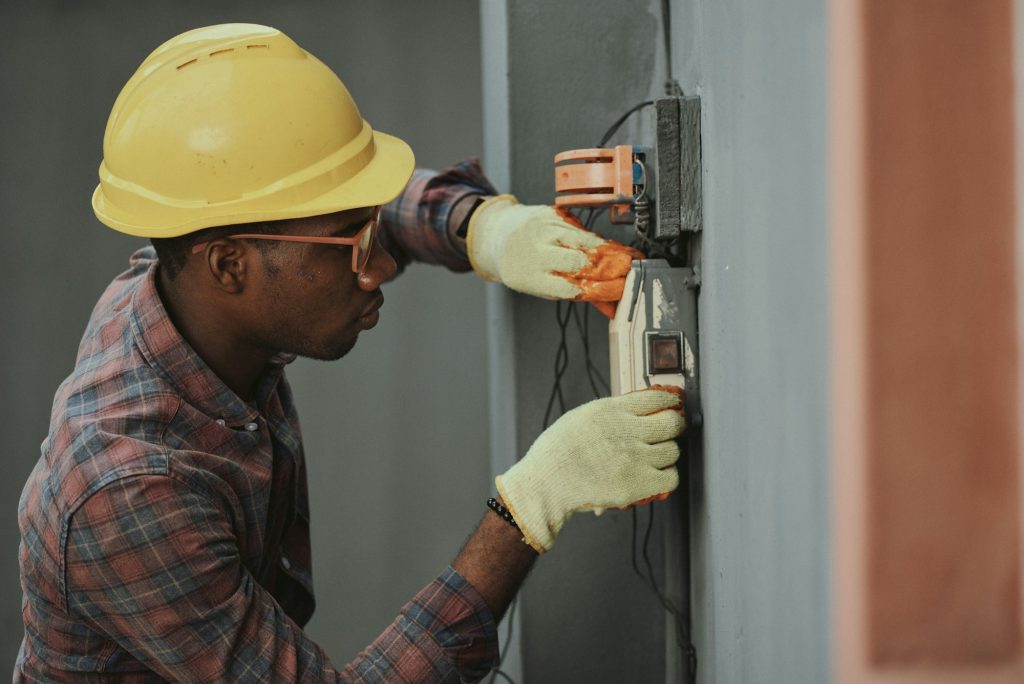
When you’re planning a construction or renovation project, you might think of civil construction services as separate from electrical work. But in reality, they’re closely linked. From the foundation to the final finish, the civil works create the structure that houses your electrical installation services. If the two aren’t coordinated, you risk safety hazards, delays, and costly rework. In this article, we’ll explain how civil construction and electrical wiring services work together, and what you need to know to keep your project safe and compliant.
Why Civil Construction and Electrical Wiring Must Be Coordinated
Civil construction services cover the structural and finishing work—think foundations, walls, floors, and ceilings. Electrical wiring services, on the other hand, handle the distribution board (DB box), cabling, and all the points that power your lights, sockets, and equipment. These two disciplines must be planned together from the start.
For example, if the civil team builds walls without considering where cables will run, you may end up with exposed wiring or expensive hacking later. Similarly, if electrical points are not positioned correctly, you might have to redo finishes. Proper coordination ensures that electrical installation services are integrated smoothly into the building structure.
Key Electrical Works That Overlap with Civil Construction
Several electrical tasks directly interact with civil construction. Here are the main ones:
- Concealed conduit installation: Before walls are plastered or floors are cast, conduits for wiring must be laid. This requires close timing between the civil and electrical teams.
- DB box and switch box installation: These need to be mounted securely on walls or within cabinets, often during the finishing stage.
- Cable routing for power and lighting: Cables must be pulled through conduits before ceilings are closed up.
- Earthing system installation: The earthing electrode and connections are typically installed during the foundation phase.
Each of these steps affects the other. For instance, if the earthing system is not installed early, you may face difficulties later. That’s why engaging a qualified electrical contractor Malaysia early in the project is crucial.
Concealed Conduit and Wiring
Concealed conduits are pipes embedded in walls, floors, or ceilings to protect wiring. They must be placed before concrete is poured or plaster is applied. If you miss this stage, you’ll have to surface-mount the conduits later, which is less aesthetically pleasing and may not be as durable. A licensed electrician will work with your civil contractor to mark out all points and routes in advance.
DB Box and Switch Box Positioning
The DB box is the heart of your electrical system. It houses the main switch, MCBs (miniature circuit breakers), and RCD/ELCB (earth leakage circuit breaker). Its location must be decided early, as it needs to be accessible and properly protected. Switch boxes for lights and sockets also need to be positioned at the right height and location, which requires coordination with the civil team to avoid clashes with structural elements.
Safety and Compliance: What You Must Know
Electrical safety is non-negotiable. In Malaysia, all wiring must comply with MS IEC wiring standards and be carried out by a competent electrician. Here are key safety points to keep in mind:
- Earth leakage protection: RCD/ELCB must be installed to protect against electric shock. This is especially important in wet areas like bathrooms and kitchens.
- Proper earthing: A good earthing system ensures that fault currents are safely directed to the ground. It must be tested and verified.
- Load calculation: Before installing wiring, a load calculation ensures that your supply can handle the demand. This is critical for both single-phase and three-phase systems.
- Use of approved materials: Only use cables and components that meet Malaysian standards.
Never attempt to do electrical wiring yourself. Always engage a licensed electrician who can ensure that your installation is safe and compliant.
How a Professional Electrical Contractor Helps
A professional electrical contractor Malaysia brings expertise to your project. They can coordinate with your civil contractor to ensure that electrical works are done at the right time. They also handle electrical repair Malaysia needs that may arise during construction, such as troubleshooting faults or replacing damaged components.
Beyond installation, they provide electrical maintenance services to keep your system in good shape after the project is completed. Regular maintenance helps prevent problems like loose connections, overloaded circuits, and worn-out components. If you’re a business owner or facility manager, scheduled maintenance is essential to avoid downtime.
When choosing an electrical contractor, look for one who is licensed and experienced in both residential and commercial projects. They should be able to provide a clear quotation and explain the scope of work in plain language.
Ready to start your project on the right foot? Contact our electrical team for an inspection, quotation, or site visit. We’ll help you integrate electrical wiring services with your civil construction plans safely and efficiently.