

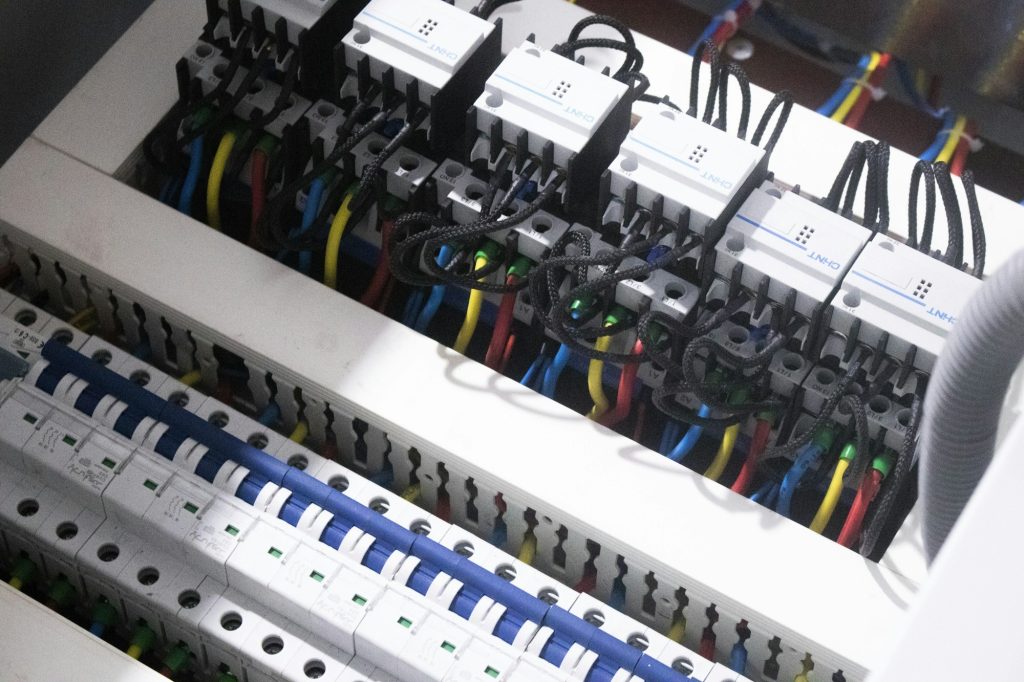
If you’re fitting out a new shop, office, or factory unit, the electrical installation is one of the most important parts of the project. It powers everything from lights and air-conditioning to equipment and security systems. But many business owners only think about it late in the game. This guide walks you through what a proper commercial electrical installation involves, what to check, and how to avoid costly mistakes. We’ll keep it practical and in plain language, so you can make confident decisions.
What Commercial Electrical Installation Really Covers
Commercial electrical installation is more than just pulling cables and fixing lights. It’s a complete system that distributes electricity safely from the main supply point to every socket, machine, and fixture in your premises. In Malaysia, this work must follow MS IEC wiring standards and be done by a licensed electrician or competent person. If you’re renovating or setting up a new space, here’s what typically needs to be planned:
- Distribution board (DB box) – the heart of your electrical system, where power is split into different circuits.
- Wiring and cabling – from the main incoming supply to every point, using the right cable size for the load.
- Lighting and power points – including dedicated circuits for heavy equipment like air-conditioners, ovens, or machinery.
- Earth leakage protection (RCD/ELCB) – safety devices that cut power if there’s a fault, protecting people from electric shock.
- Earthing system – a safe path for stray electricity to go into the ground, reducing fire and shock risks.
- Three-phase or single-phase supply – depending on your equipment needs; three-phase is common for businesses with heavy machinery.
If your business needs a new or upgraded power supply, your electrical contractor can also help with TNB power supply applications. This includes submitting the necessary drawings and coordinating with TNB to get your premises connected.
Key Steps in a Commercial Electrical Installation Project
A well-run installation follows a clear process. Skipping steps can lead to delays, safety hazards, or even failed inspections. Here’s what a professional electrical contractor Malaysia businesses rely on will typically do:
1. Site Survey and Load Calculation
Before any work starts, your electrician will visit your site to understand your power needs. They’ll perform a load calculation to determine the total electrical demand and ensure your supply and wiring can handle it. This step prevents overloading and tripping later on.
2. Design and Planning
Based on the survey, they’ll design the layout of circuits, DB boxes, and outlets. This plan should account for future expansion, so you don’t have to rewire when you add equipment.
3. Installation and Wiring
This is where the actual electrical wiring services happen. Cables are run through conduits or cable trays, DB boxes are mounted, and all connections are made according to standards. Proper labelling and neat workmanship make future maintenance easier.
4. Testing and Commissioning
After installation, the electrician will test all circuits, check earth leakage protection, and ensure everything works safely. They should also provide test reports and as-built drawings for your records.
Why You Shouldn’t Cut Corners on Electrical Work
Electrical faults are a leading cause of fires in commercial buildings. Using unqualified workers or cheap materials might save money upfront, but the risks are huge. A proper electrical installation services provider will use certified components and follow safety codes. They’ll also ensure your DB box is properly sized and your RCD/ELCB is functional. Remember, all wiring work must be done by a competent or licensed electrician – it’s not a DIY job.
Also, insurance companies may require proof of compliant electrical installation. If something goes wrong, you want to know your installation was done right.
Ongoing Electrical Maintenance Services for Your Business
Once your installation is complete, regular electrical maintenance services keep it safe and reliable. Over time, components wear out, connections loosen, and dust builds up. A maintenance schedule can include:
- Thermal imaging to spot overheating connections
- Testing of RCD/ELCB and earth continuity
- Cleaning and tightening of DB box connections
- Checking for wear and tear on cables and conduits
If you ever notice flickering lights, burning smells, or frequent tripping, call for electrical repair Malaysia services immediately. Ignoring small issues can lead to bigger problems.
Choosing the Right Electrical Contractor in Malaysia
Not all electrical contractors are equal. Look for one with experience in commercial projects, proper licensing, and a track record of safety. Ask for references and check that they follow MS IEC wiring standards. A good contractor will also explain things clearly and provide a detailed quotation. For businesses in Malaysia, working with a reliable electrical contractor Malaysia can save you time and headaches.
Ready to plan your commercial electrical installation or need help with an existing system? Contact our friendly electrical team for an inspection, quotation, or site visit. We’re here to help you get the job done safely and properly.