

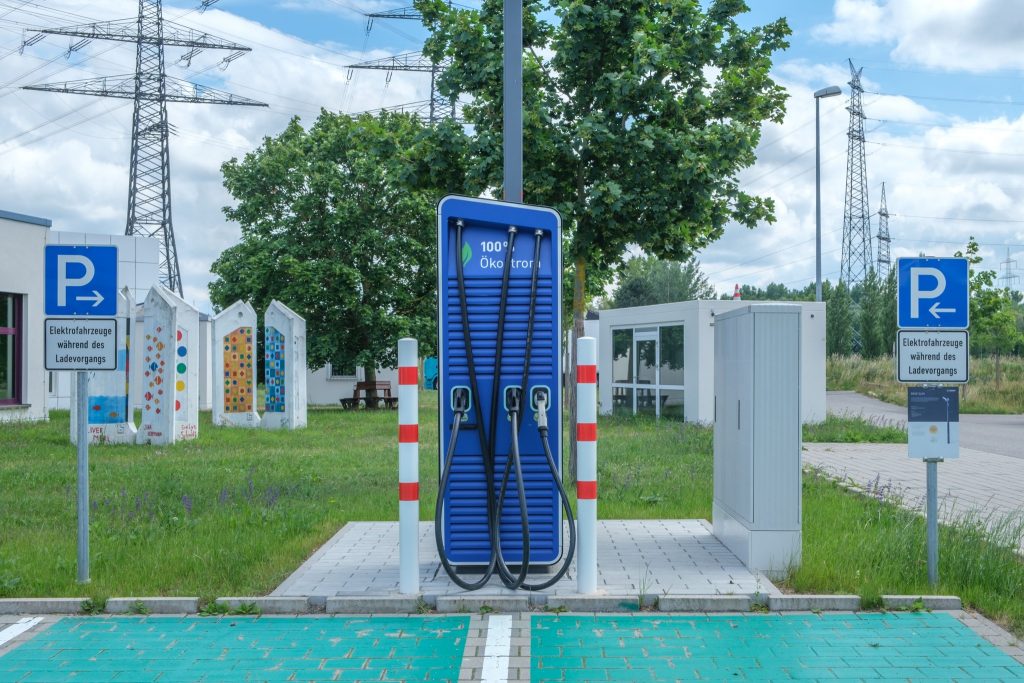
Electric vehicles (EVs) are becoming more common on Malaysian roads. If you’re thinking about getting an EV, or you already own one, you’ll need a reliable place to charge it. EV charging station installation is not just about plugging in a charger; it involves proper electrical planning, safety checks, and compliance with local wiring standards. In this article, we’ll explain what’s involved, from home chargers to commercial stations, and why you should always engage a qualified electrical contractor Malaysia.
Why You Need a Professional for EV Charging Station Installation
Installing an EV charger is more than mounting a box on the wall. It requires a dedicated circuit, proper earthing, and a load calculation to ensure your existing distribution board (DB box) can handle the extra demand. Without these, you risk tripping your power supply, damaging your vehicle, or even causing a fire. A licensed electrician will assess your home or business electrical system and recommend the right setup.
In Malaysia, all electrical work must comply with MS IEC wiring standards and be carried out by a competent person. This is especially important for EV chargers because they draw a lot of power continuously. Whether you need electrical installation services for a new charger or an upgrade to your existing wiring, a professional ensures safety and reliability.
Types of EV Charging Stations We Install
We handle all types of EV charger installations, from simple home units to complex commercial setups. The right choice depends on your vehicle, your electrical supply, and how you plan to use the charger.
Home EV Chargers
Most homes in Malaysia use single-phase supply. A typical home EV charger is a 7kW wallbox that can fully charge your car overnight. We’ll check your DB box, run a dedicated cable from the main switchboard, and install the charger in a convenient location. If your home has three-phase supply, you might opt for a faster 22kW charger.
Commercial and Public Chargers
For businesses, shopping malls, offices, and car parks, we install multiple chargers with load management systems. This ensures that the total power draw doesn’t exceed your supply capacity. We also handle the necessary electrical wiring services, including cabling, protection devices, and payment systems integration. If you’re a facility manager, we can design a scalable solution that grows with your needs.
DC Fast Chargers
DC fast chargers are typically for commercial use and require a three-phase supply. They can charge an EV to 80% in about 30 minutes. Installation is more complex and involves high-power equipment. We work with you and your TNB supply to ensure everything is safe and compliant.
The Installation Process: What to Expect
Every installation starts with a site survey. Our electrician will inspect your existing electrical system, check the main fuse and meter, and determine the best route for the cable. We’ll also discuss your charging habits and recommend the right charger capacity.
Next, we prepare a quotation that covers the charger unit (if you need us to supply it), cables, protective devices like RCD/ELCB, and labour. Once you approve, we schedule the installation. On the day, we’ll isolate the power, mount the charger, run the cables, and connect everything to your DB box. We then test the charger and ensure it’s working correctly.
For commercial installations, we may need to coordinate with your building management and TNB for supply upgrades. We’ll handle the paperwork and ensure all safety standards are met.
Safety First: Key Considerations for EV Charger Installation
Safety is our top priority. EV chargers operate at high currents, so proper protection is essential. Here are some key points:
- Earth leakage protection (RCD/ELCB): A Type A or Type B RCD is required to protect against electric shock. This is especially important for outdoor installations.
- Dedicated circuit: The charger should have its own circuit breaker (MCB) to prevent overloading.
- Earthing: Proper earthing is critical for safety and to ensure the charger works correctly.
- Cable sizing: The cable must be sized correctly to handle the current without overheating.
- Weatherproofing: For outdoor chargers, use IP-rated enclosures and cables.
We also recommend regular electrical maintenance services to keep your charger in good condition. This includes checking connections, testing the RCD, and cleaning the unit.
Upgrading Your Electrical System for EV Charging
Many older homes and buildings in Malaysia may need an electrical upgrade to support an EV charger. If your DB box is outdated or your supply is insufficient, we can help. We offer electrical repair Malaysia services and can upgrade your switchboard, replace old wiring, and apply for a higher power supply from TNB if needed.
We also install CCTV, alarm, and door access systems, so you can integrate your EV charger with your existing security setup. For example, you can monitor your charger via CCTV or control access to it.
Why Choose Us for Your EV Charging Station Installation
We are a licensed electrical contractor with experience in residential, commercial, and industrial projects. Our team is trained to handle all types of EV chargers and electrical systems. We prioritise safety, quality, and customer satisfaction. Whether you need a simple home charger or a complex commercial installation, we’ll guide you through the process and ensure everything is done right.
We also provide ongoing support, including maintenance and repairs. If you ever have an issue with your charger, we’re just a phone call away.
Ready to install your EV charging station? Contact us today for a site visit and quotation. Our friendly team will assess your needs and provide a tailored solution. Let us help you power your electric journey safely and efficiently.