

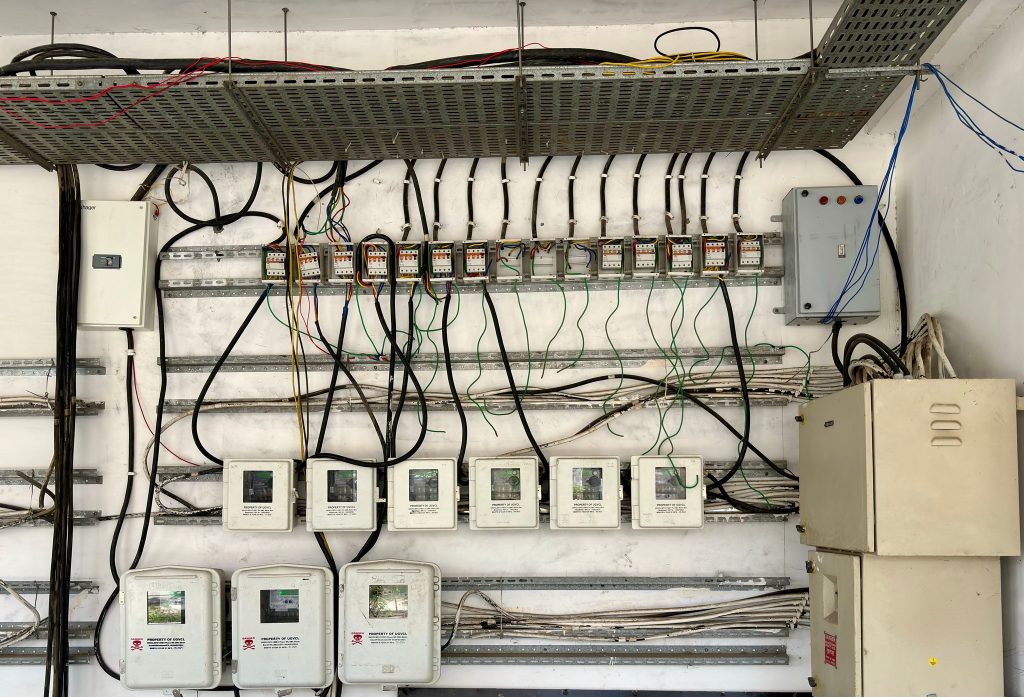
If you run a factory, warehouse, or large commercial facility in Malaysia, a safe and reliable electrical system is critical. Industrial electrical installation is not just about running cables—it involves proper load calculation, three-phase distribution, and compliance with MS IEC wiring standards. In this guide, we explain what you need to know before starting or upgrading your industrial electrical system, and why you should always engage a licensed electrical contractor.
What Industrial Electrical Installation Involves
Industrial electrical installation covers the design, wiring, and connection of electrical systems for factories, workshops, and large commercial buildings. Unlike homes, these facilities often need three-phase power to run heavy machinery, motors, and equipment. The work includes installing a distribution board (DB box), laying cables, setting up earthing, and ensuring proper earth leakage protection with RCDs or ELCBs.
A typical installation starts with a site survey and load calculation. This determines the size of cables, breakers, and the main switch. It also ensures your TNB supply can handle your equipment without overloading. Proper planning avoids costly downtime and keeps your operations safe.
Key Components of an Industrial Electrical System
Every industrial electrical system has several core parts. Understanding them helps you discuss your needs with your electrical contractor.
Main Distribution Board (DB Box)
The DB box is the heart of your electrical system. It houses the main switch, circuit breakers (MCBs), and RCDs. In industrial settings, it distributes power to different areas and machines. A well-labelled and organised DB box makes maintenance and fault finding much easier.
Three-Phase Wiring and Cabling
Three-phase power provides a more balanced and efficient supply for heavy loads. Your electrician will run cables from the TNB meter to the DB box and then to individual machines. Cable size, type, and routing must follow MS IEC standards to prevent overheating and voltage drops.
Earthing and Lightning Protection
Proper earthing protects your workers and equipment from electric shocks and damage. It directs fault currents safely to the ground. Lightning protection is also vital in Malaysia due to frequent storms. Both systems must be tested and maintained regularly.
Why You Need a Licensed Electrical Contractor
Industrial electrical work is not a DIY job. It requires deep knowledge of electrical codes, safety procedures, and load management. A licensed electrician ensures your installation is safe, compliant, and reliable. They also handle the paperwork for TNB supply applications and inspections.
Hiring an experienced electrical contractor Malaysia gives you peace of mind. They can design a system that meets your current needs and allows for future expansion. They also provide electrical maintenance services to keep your system in top condition.
Our Industrial Electrical Services
We offer a full range of electrical installation services for industrial clients. Whether you are building a new facility or upgrading an old one, we can help.
- New industrial wiring and rewiring – Complete installation for factories, warehouses, and workshops.
- Electrical repair Malaysia – Fast fault finding and repair for breakdowns and power issues.
- Preventive maintenance – Scheduled inspections and testing to prevent downtime.
- TNB supply applications – Assistance with new connections, upgrades, and meter installations.
- Machine and equipment wiring – Connection of motors, control panels, and production lines.
- Safety compliance – Ensuring your system meets MS IEC wiring standards and safety regulations.
We also provide electrical wiring services for commercial and residential properties, as well as CCTV, alarm, and door access systems. Our team is experienced in handling projects of all sizes.
Safety First: Common Risks and How to Avoid Them
Industrial environments pose unique electrical hazards. Overloaded circuits, poor earthing, and outdated wiring can lead to fires, shocks, and equipment damage. Regular maintenance and inspections are your best defence.
Always ensure your earth leakage protection is working. Test your RCDs monthly. Keep your DB box clean and free of dust. If you notice flickering lights, warm cables, or frequent tripping, call a professional immediately. Never attempt repairs yourself.
Planning Your Industrial Electrical Installation
Before you start, consider your power requirements. Will you need three-phase or single-phase? What is the total load of your machinery? Do you plan to expand? A good electrician will help you answer these questions and design a system that fits your budget and future plans.
Also, think about energy efficiency. Properly sized cables and efficient equipment can reduce your electricity bills. We can advise on the best setup for your operations.
Ready to upgrade or install your industrial electrical system? Contact our team for a site visit, inspection, or quotation. We serve businesses across Malaysia with reliable, safety-first electrical solutions. Let us help you power your operations safely and efficiently.