

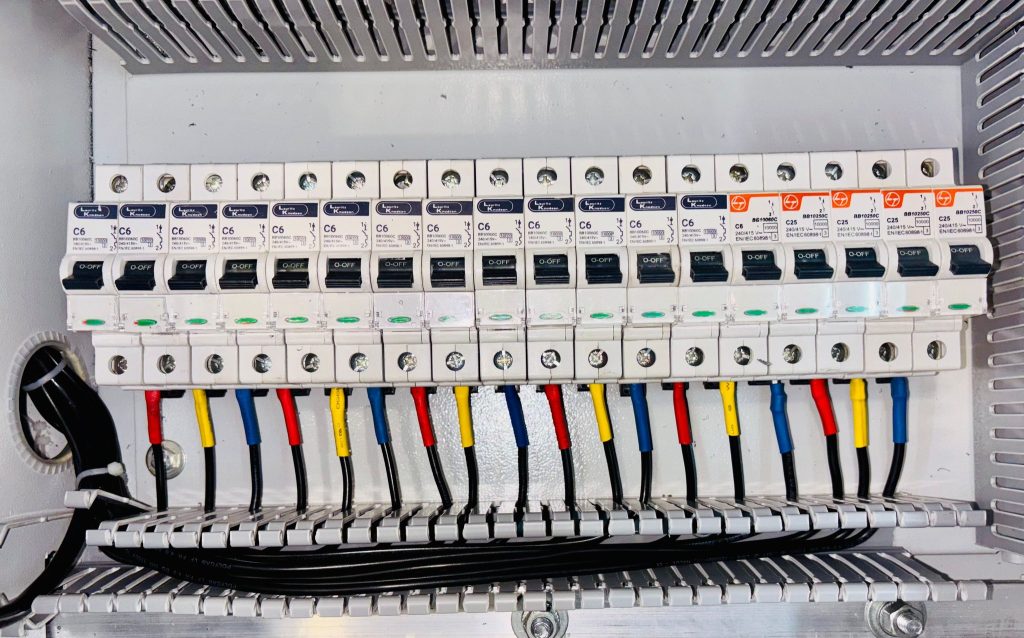
If you run a shop, office, or factory in Malaysia, your electrical system is the backbone of your daily operations. A proper commercial electrical installation keeps your business running safely and efficiently. But many business owners only think about electrical work when something goes wrong. This guide explains what you need to know to avoid costly downtime and safety hazards.
Why Professional Commercial Electrical Installation Matters
Commercial premises have bigger electrical demands than homes. You might run heavy machinery, multiple air-conditioners, commercial kitchen equipment, or computer servers. These loads require careful planning and the right electrical installation services to prevent overloads and fires.
In Malaysia, all wiring must follow MS IEC wiring standards and be done by a competent electrician. DIY or unlicensed work can void your insurance and put your staff and customers at risk. A licensed electrical contractor Malaysia businesses trust will ensure your installation is safe, compliant, and built to last.
Key Components of a Commercial Electrical System
Understanding the main parts of your electrical system helps you communicate with your contractor and make better decisions. Here are the essentials:
- Distribution Board (DB box): The main panel that splits power into different circuits. It houses MCBs and RCDs.
- MCB (Miniature Circuit Breaker): Protects each circuit from overload and short circuits.
- RCD/ELCB (Earth Leakage Circuit Breaker): Cuts power when it detects leakage to earth, preventing electric shocks.
- Earthing system: A safety path for fault current to travel safely into the ground.
- Cabling and conduits: The wires and protective pipes that carry electricity throughout your premises.
- Three-phase supply: Common in commercial settings for heavy equipment; provides more power than single-phase.
Each component must be correctly sized and installed. For example, a load calculation determines the total power your business needs, so the DB box and cabling can handle it safely.
Common Commercial Electrical Services You May Need
Whether you are setting up a new shop or upgrading an old factory, these services are often required:
New Wiring and Rewiring
New premises need a full electrical wiring services setup. Older buildings may need rewiring to replace worn-out cables and outdated DB boxes. Rewiring improves safety and supports modern equipment.
Electrical Repair and Troubleshooting
When lights flicker, breakers trip, or machines stop, you need fast electrical repair Malaysia services. A good contractor will find the root cause, not just replace fuses.
Electrical Maintenance Services
Regular electrical maintenance services include inspecting DB boxes, testing RCDs, tightening connections, and thermal imaging to spot overheating. This prevents unexpected breakdowns.
TNB Power Supply Application
For new or upgraded premises, you may need to apply to TNB for a new supply or increased capacity. Your contractor can handle the paperwork and coordination.
EV Charger Installation
If you have electric vehicles or want to offer charging to customers, installing EV chargers requires a dedicated circuit and proper load management.
Safety First: What to Look For in a Commercial Electrical Contractor
Not all electricians are equal. For commercial work, you need a contractor with experience in three-phase systems, industrial machinery, and business premises. Here are key points to check:
- Valid licence and registration with Suruhanjaya Tenaga (Energy Commission).
- Experience with similar businesses (retail, office, factory).
- Proper insurance and safety procedures.
- Clear quotation with itemised costs and timeline.
- Willingness to explain the work and answer your questions.
Remember, electrical work must be done by a licensed electrician. Never allow unqualified workers to touch your DB box or wiring.
Planning Your Commercial Electrical Installation
Proper planning saves time and money. Start by listing all your electrical equipment and future needs. A contractor will then perform a load calculation and design a system that meets your requirements.
Consider these steps:
- Site survey and consultation.
- Load calculation and system design.
- Quotation and approval.
- Installation by licensed electricians.
- Testing and commissioning.
- Handover with documentation.
Also, think about future expansion. It’s cheaper to install a slightly larger DB box or thicker cables now than to upgrade later.
Maintaining Your Commercial Electrical System
After installation, regular maintenance is essential. Schedule annual inspections and testing of RCDs and earthing. Keep records of all work done. This helps you comply with insurance and safety regulations.
Train your staff to report any electrical issues immediately, such as burning smells, sparks, or frequent tripping. Quick action can prevent major problems.
Ready to upgrade your business electrical system? Contact our friendly team for a site visit, inspection, or quotation. We’ll help you get a safe and reliable commercial electrical installation tailored to your needs.