

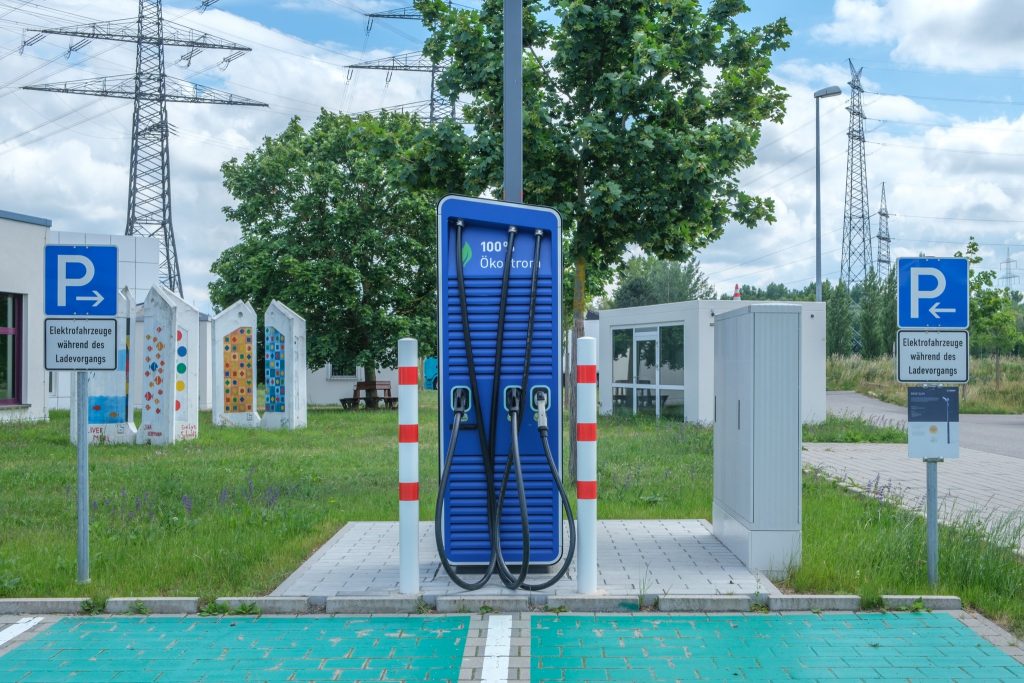
Thinking about getting an EV charger installed at your home or business in Malaysia? You’re not alone. As more electric vehicles hit our roads, the demand for reliable EV charger installation services is growing. But installing a charger isn’t just about plugging it in—it requires proper wiring, safety checks, and compliance with local standards. In this guide, we’ll walk you through what you need to know, from choosing the right charger to working with a qualified electrical contractor Malaysia.
Why You Need a Professional for EV Charger Installation
An EV charger draws a lot of power—much more than a regular household socket. If it’s not installed correctly, it can overload your wiring, cause overheating, or even start a fire. That’s why you should always hire a licensed electrician for the job. They’ll assess your existing electrical system, check your distribution board (DB box), and make sure everything is safe and up to code.
In Malaysia, all electrical work must follow MS IEC wiring standards. A professional will ensure your charger is properly earthed and protected by an RCD (residual current device) or ELCB. They’ll also handle the paperwork with TNB if your supply needs upgrading. DIY installation might save a few ringgit, but it’s not worth the risk to your safety or your warranty.
Types of EV Chargers and What Suits Your Property
There are a few types of EV chargers available in Malaysia, and the right one depends on your vehicle, your daily driving, and your electrical supply. Here’s a quick rundown:
- Mode 2 (Portable) Charger: Plugs into a regular 3-pin socket. Slow, but convenient for emergencies. Not recommended for daily use.
- Mode 3 (Wallbox) Charger: The most common for homes and offices. Requires dedicated wiring and a higher power supply. Charges much faster.
- DC Fast Charger: For commercial use, like petrol stations or fleet depots. Very fast, but expensive and needs three-phase power.
For most homes, a single-phase wallbox is sufficient. If you have a three-phase supply, you can opt for a faster charger. Your electrician can help you decide based on your load calculation and vehicle’s onboard charger capacity.
Single-Phase vs Three-Phase Supply
Most Malaysian homes use single-phase 240V supply. A single-phase charger typically delivers up to 7kW, adding about 30-40km of range per hour. If your home has three-phase (often 415V), you can install an 11kW or 22kW charger for faster charging. But before you upgrade, check with TNB and your electrician—it may require a new supply application and electrical installation services.
The Installation Process: What to Expect
When you engage our EV charger installation services, we follow a thorough process to ensure safety and reliability. Here’s what happens:
- Site survey: We check your DB box, wiring condition, and earthing. We also note the distance from the DB to your parking spot.
- Load calculation: We calculate your existing electrical load to see if your supply can handle the charger. If not, we advise on upgrades.
- Wiring and installation: We run dedicated cables from the DB to the charger location, install the necessary MCB and RCD, and mount the charger.
- Testing and commissioning: We test the charger, check for earth leakage, and make sure everything works safely.
We also provide electrical maintenance services to keep your charger in good condition. Regular checks can prevent problems down the road.
Safety and Compliance: What You Must Know
Safety is the top priority when installing an EV charger. A faulty installation can lead to electric shock, fire, or damage to your vehicle. Here are key safety points:
- Earthing: Proper earthing is critical. It directs fault currents safely to the ground.
- RCD protection: An RCD (or ELCB) trips the circuit if it detects leakage, preventing shocks.
- Cable sizing: The cable must be thick enough to carry the charger’s current without overheating.
- Weatherproofing: For outdoor installations, use IP-rated equipment and enclosures.
Always insist on a licensed electrician who follows MS IEC standards. They’ll also provide a certificate of compliance, which may be needed for insurance or warranty purposes.
Costs and Considerations
The cost of EV charger installation varies depending on several factors: the type of charger, cable length, whether your DB needs upgrading, and labour. While we can’t give a fixed price here, we recommend getting a detailed quotation after a site survey. Remember, the cheapest quote isn’t always the best—quality workmanship and safety should come first.
Also, check if your vehicle manufacturer offers any incentives or preferred installers. Some brands partner with electrical contractors to provide certified installation. And if you’re a business owner, you may be able to claim tax incentives for green technology investments. Consult your tax advisor for details.
Why Choose Us for Your EV Charger Installation
As a trusted electrical contractor Malaysia wide, we specialise in electrical wiring services and electrical repair Malaysia for homes, offices, and industries. Our team is experienced in EV charger installations and understands the unique requirements of Malaysian properties. We prioritise safety, quality, and clear communication.
Whether you need a simple home charger or a complex commercial setup, we’re here to help. We’ll guide you through every step, from choosing the right charger to after-sales support.
Ready to install your EV charger? Contact us today for a site visit, inspection, or quotation. Our friendly team is happy to answer your questions and help you get started. Drive electric with confidence—let the professionals handle the wiring.