

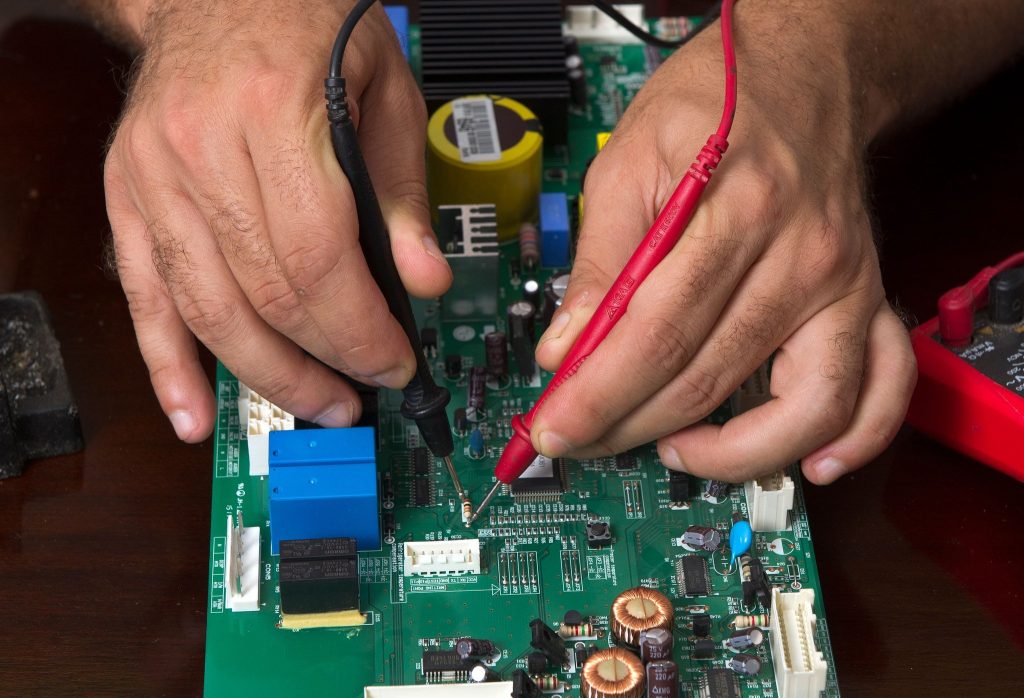
Your electrical system works quietly in the background — until something goes wrong. Regular electrical system maintenance helps you catch small problems before they become expensive or dangerous. In Malaysia’s hot, humid climate, wiring and switchgear face extra stress from heat, moisture and power surges. This guide explains what maintenance involves, why it matters, and how to work with a qualified electrical contractor Malaysia to keep your home, shop or factory safe and reliable.
What Electrical System Maintenance Really Covers
Maintenance is more than fixing something when it breaks. It is a planned check-up of your whole electrical setup — from the distribution board (DB box) to every socket, switch and cable run. The goal is simple: find wear and tear early, confirm safety devices work, and keep your supply stable.
A proper maintenance visit usually includes:
- Visual inspection of the DB box, meter area, cabling and accessories for burn marks, loose parts or pest damage.
- Testing of RCD/ELCB (earth leakage protection) to confirm it trips correctly and protects people from electric shock.
- Checking MCBs (miniature circuit breakers) for correct ratings and signs of overheating.
- Earthing checks to make sure fault current has a safe path to the ground.
- Load calculation review if you have added air-conditioners, kitchen appliances or machinery since the last check.
- Tightening of connections and cleaning of dusty or corroded parts.
For businesses, maintenance also covers three-phase equipment, submains, emergency lighting and any electrical installation services you rely on daily. If you are unsure when your system was last checked, a professional inspection is a sensible starting point.
Why It Matters for Malaysian Properties
Malaysia’s climate is tough on electrical systems. Heat ages insulation, humidity encourages corrosion, and frequent thunderstorms bring surges that can damage sensitive equipment. Add ageing wiring in older terrace houses or shophouses, and the risks add up.
Safety First: RCD, Earthing and the DB Box
The RCD/ELCB is your main defence against electric shock. It must trip within milliseconds when current leaks to earth. If it is faulty or missing, a simple appliance fault can become lethal. Earthing is equally important — it gives fault current a safe route away from people and equipment.
Your DB box should be clean, dry and accessible. Never block it with shelves or store things on top of it. If you see scorch marks, smell burning, or hear buzzing, switch off the main and call a licensed electrician immediately.
Cost Control and Compliance
Planned electrical maintenance services are almost always cheaper than emergency repairs. A small loose connection can overheat and damage cables, turning a quick fix into a major electrical repair Malaysia job. For businesses, maintenance records also help show due diligence and support insurance or licensing requirements.
Work on fixed wiring must follow MS IEC wiring standards and be done by a competent person. DIY repairs on live circuits are never worth the risk.
When to Call a Licensed Electrical Contractor
Some tasks are fine for a handy person — changing a light bulb, for example. But anything involving fixed wiring, the DB box, or new circuits needs a licensed electrician. Call a professional if you notice:
- Frequent tripping of MCBs or the RCD, especially after rain or when using certain appliances.
- Warm or discoloured socket outlets, switches or plug tops.
- Flickering lights, buzzing sounds or a burning smell near electrical fittings.
- Plans to add a new air-conditioner, water heater, EV charger or factory machine.
- Renovation work that involves moving or adding points.
- A property older than 20–30 years that has never had a full wiring check.
For larger jobs, you may need electrical wiring services such as partial rewiring, upgrading the DB box, or applying for a TNB supply change. A good contractor will assess your load, explain the scope, and handle the paperwork where required.
Choosing a contractor: look for one who is licensed, gives a clear written quotation, and explains the work in plain language. Ask whether they will test and certify the installation after the job.
A Simple Maintenance Routine You Can Follow
You do not need to be an electrician to reduce risk. Here is a practical routine:
- Monthly: Press the test button on your RCD/ELCB. It should trip and reset. If not, call for help.
- Every 3–6 months: Look for signs of heat — brown marks, melted plastic, or a fishy smell near sockets and the DB box.
- Yearly: Arrange a professional inspection, especially for businesses and older homes.
- Before any major purchase: New air-conditioner, oven, or machinery — ask for a load check first.
Keep a simple log of any tripping, repairs or upgrades. It helps the electrician understand your system’s history and spot patterns.
Ready to give your electrical system the attention it deserves? Our friendly team at nishamelectrical.com.my can arrange an inspection, prepare a clear quotation, or visit your site to assess what you need. Whether it is a small home check or a full commercial maintenance plan, we are here to help you stay safe and powered up. Contact us today to book your electrical system maintenance visit.