

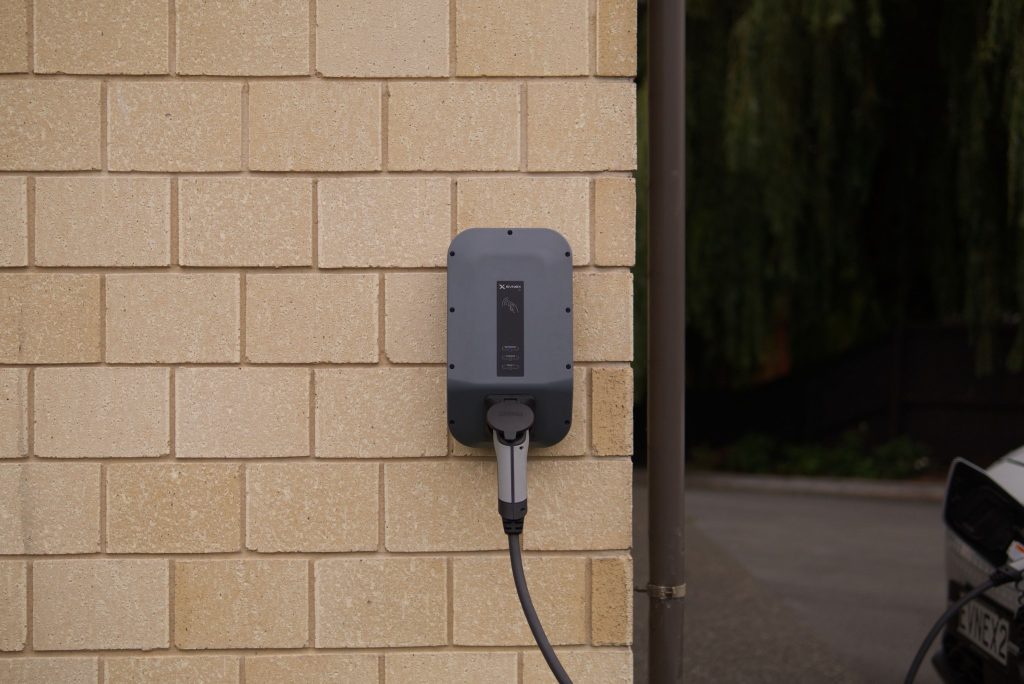
Thinking about electric vehicle charger installation at your home or business in Malaysia? You’re not alone. More Malaysians are switching to EVs, and a proper charger setup is essential for safe, reliable charging. But installing an EV charger isn’t just about mounting a box on the wall. It involves checking your distribution board (DB box), upgrading wiring if needed, and ensuring your supply can handle the extra load. In this guide, we’ll walk you through the key steps and safety points so you can plan with confidence.
Why You Need a Licensed Electrician for EV Charger Installation
An EV charger draws a lot of power continuously. In Malaysia, typical home chargers run on single-phase power and can draw 7kW or more. That’s similar to running several air-conditioners at once. If your wiring isn’t up to it, you risk tripping breakers, overheating cables, or even fire. That’s why electrical wiring services for EV chargers must be done by a competent electrician. A licensed professional will assess your existing setup and make sure everything meets MS IEC wiring standards.
As an experienced electrical contractor Malaysia homeowners and businesses trust, we’ve seen many cases where a simple charger installation turned into a bigger job because the existing wiring was inadequate. It’s better to find out early than after the charger is installed.
Step-by-Step: What EV Charger Installation Involves
Every installation is different, but here’s the typical process we follow for a safe and reliable EV charger setup.
1. Site Survey and Load Calculation
We start by checking your existing DB box and the main incoming supply. A load calculation tells us how much spare capacity you have. If your home has a 63A single-phase supply, adding a 7kW charger might be fine, but a larger charger could require a three-phase upgrade. We’ll advise you honestly.
2. Choosing the Right Charger and Cable
We help you select a charger that suits your vehicle and budget. The cable size must match the charger’s power rating and the distance from the DB box. Undersized cables cause voltage drop and heat — a serious safety risk.
3. Installing a Dedicated Circuit
Your EV charger should have its own circuit, protected by a dedicated MCB (miniature circuit breaker) and an RCD (residual current device, also called ELCB). The RCD protects you from electric shock. We also ensure proper earthing — a critical safety feature that directs stray current safely to the ground.
4. Wiring and Connection
We run the cable from the DB box to the charger location, usually in conduit or trunking for protection. All electrical installation services are carried out according to MS IEC standards. Once connected, we test the circuit thoroughly.
5. Testing and Handover
We test the charger, check for correct polarity and earthing, and make sure it charges your vehicle properly. We’ll also explain how to use it safely and what to do if a fault occurs.
Key Safety Checks Before You Install
Before any EV charger installation, make sure these points are addressed:
- DB box capacity: Is there enough spare way and capacity for a new breaker?
- Earthing system: Is your earth resistance within acceptable limits?
- RCD protection: Does your charger circuit have RCD protection, preferably Type A or Type B?
- Cable size and route: Is the cable correctly sized and protected from damage?
- TNB supply: If you need a supply upgrade, we can help with the TNB power supply application process.
If you’re unsure about any of these, get a professional to check. It’s not worth the risk.
EV Charger Installation for Homes, Shops, and Factories
We handle EV charger installation for all types of properties. For homes, we usually install a wall-mounted charger in your car porch or garage. For shops and offices, you might want multiple chargers or a public charging point. Factories and warehouses may need three-phase chargers for fleet vehicles. Whatever your needs, we can design a safe and practical solution.
Beyond installation, we also provide electrical repair Malaysia services and electrical maintenance services to keep your EV charging system in good shape. Regular maintenance checks can spot loose connections or worn parts before they become problems.
Frequently Asked Questions
Can I install an EV charger myself?
No. EV charger installation involves high-power electrical work that must be done by a licensed electrician. DIY installation is dangerous and may void your warranty or insurance.
How long does installation take?
Most home installations take a few hours to a day, depending on the complexity. We’ll give you a clear timeline after the site survey.
Do I need to upgrade my TNB supply?
Only if your existing supply can’t handle the extra load. We’ll check this during the load calculation and advise you accordingly.
Ready to install your EV charger? Contact our team for a site inspection, quotation, or advice. We’re here to help you charge safely and confidently.