

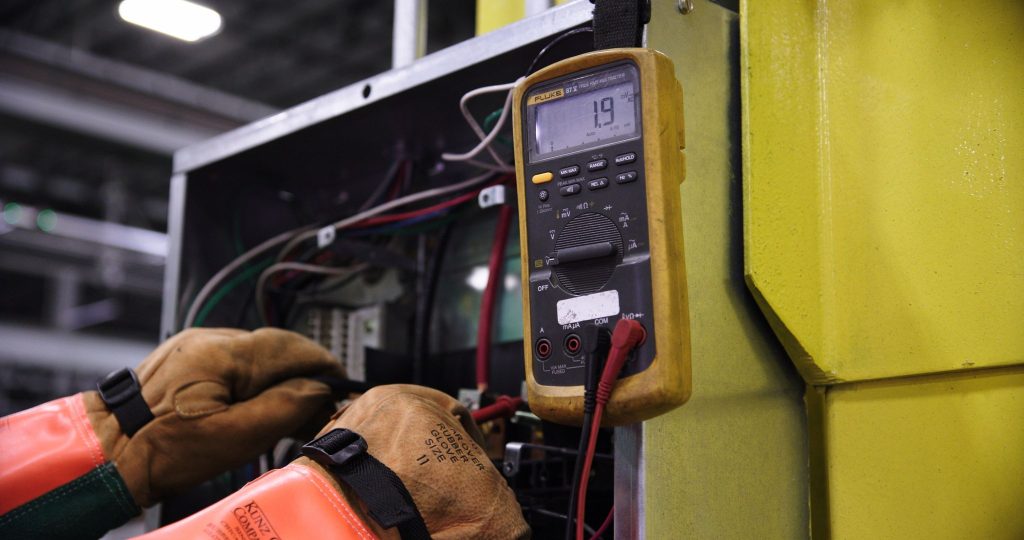
Industrial electrical maintenance is not just about fixing things when they break. It is about keeping your factory, warehouse or facility running safely and reliably every day. From three-phase distribution boards to machine wiring and TNB supply equipment, every part needs regular checks. In this guide, we explain what good maintenance looks like in Malaysia, why it matters, and how to plan it without disrupting production. Whether you run a small workshop or a large plant, these practical tips will help you protect your people and your operations.
Why Industrial Electrical Maintenance Matters
Electrical faults in an industrial setting can cause more than inconvenience. They can stop production lines, damage expensive machinery, and create serious safety hazards. A loose connection or an overloaded circuit can overheat and lead to fire. Poor earthing can put workers at risk of electric shock. Regular electrical maintenance services help you catch these problems early, before they become costly emergencies.
In Malaysia, factories must also follow wiring regulations such as MS IEC standards and local authority requirements. While we cannot give you a checklist that covers every situation, a competent electrician can assess your site and recommend a maintenance schedule that fits your operations. This is especially important for three-phase systems, which power most industrial equipment.
What Industrial Electrical Maintenance Covers
Industrial maintenance is broader than residential or shoplot work. It involves inspecting and servicing the equipment that delivers power to your machines and protects your building. Here are the main areas:
- Distribution boards (DB boxes) – checking for loose connections, overheating, and correct labelling.
- Protective devices – testing MCBs, RCDs/ELCBs, and earth leakage protection to ensure they trip when they should.
- Earthing systems – verifying that fault currents have a safe path to earth.
- Cabling and wiring – inspecting for damage, wear, or improper installation.
- Motor control panels and switchgear – cleaning, tightening, and checking contacts.
- Load checks – measuring current draw to prevent overloads and voltage drops.
- TNB supply equipment – ensuring your main switchboard and metering are in good order.
Each of these areas needs a trained eye. For example, a load calculation helps you decide if your existing supply can handle new machinery. Without it, you risk tripping the main breaker or overheating cables. A licensed electrician can perform these checks safely and document the results for your records.
Planned vs Reactive Maintenance: What Works Best
There are two main approaches to industrial electrical maintenance: planned (preventive) and reactive (breakdown). Planned maintenance means scheduling regular inspections and servicing before faults occur. Reactive maintenance means waiting for something to fail and then repairing it. In practice, most facilities need a mix of both, but planned maintenance should be the foundation.
Preventive Maintenance Schedule
A good preventive schedule might include monthly visual checks, quarterly thermographic scans of DB boxes and panels, and annual testing of RCDs/ELCBs and earthing. The exact frequency depends on your equipment, environment, and usage. For example, a dusty factory may need more frequent cleaning of panels to prevent overheating.
When to Call for Emergency Repair
Even with the best schedule, breakdowns happen. If you notice burning smells, sparks, frequent tripping, or flickering lights, switch off the affected circuit and call for electrical repair Malaysia services immediately. Do not attempt to fix industrial equipment yourself—the voltages and currents involved are dangerous. A competent electrician will diagnose the fault and carry out safe repairs.
Choosing the Right Electrical Contractor in Malaysia
Not all electricians are equipped for industrial work. You need a contractor with experience in three-phase systems, motor controls, and large distribution boards. Here are some practical points to check:
- Confirm they are a licensed electrical contractor Malaysia with valid registration.
- Ask about their experience with factories or facilities similar to yours.
- Check that they can provide electrical wiring services and electrical installation services that comply with MS IEC standards.
- See if they offer planned maintenance contracts, not just one-off repairs.
- Ensure they use proper test equipment and provide clear reports.
It also helps to work with a team that understands TNB applications and supply upgrades. If you are expanding your facility, you may need a new or upgraded power supply. A good contractor can guide you through the process and make sure your internal wiring is ready.
Safety First: Working with Licensed Electricians
Industrial electrical work is high-risk. Only a licensed electrician should open panels, test live circuits, or modify wiring. Even simple tasks like resetting a tripped breaker can be dangerous if the fault is not properly diagnosed. Always insist on safe work practices, including lockout-tagout, proper PPE, and clear communication with your production team.
Remember that electrical maintenance services are an investment in safety and uptime. A well-maintained system reduces the risk of fire, protects your staff, and keeps your operations running smoothly. It also helps you avoid unexpected repair bills and production losses.
Ready to set up a maintenance plan or need help with a fault? Our friendly team at Nisham Electrical is here to assist. We provide inspections, quotations, and site visits for industrial clients across Malaysia. Contact us today to discuss your needs and keep your electrical systems safe and reliable.