

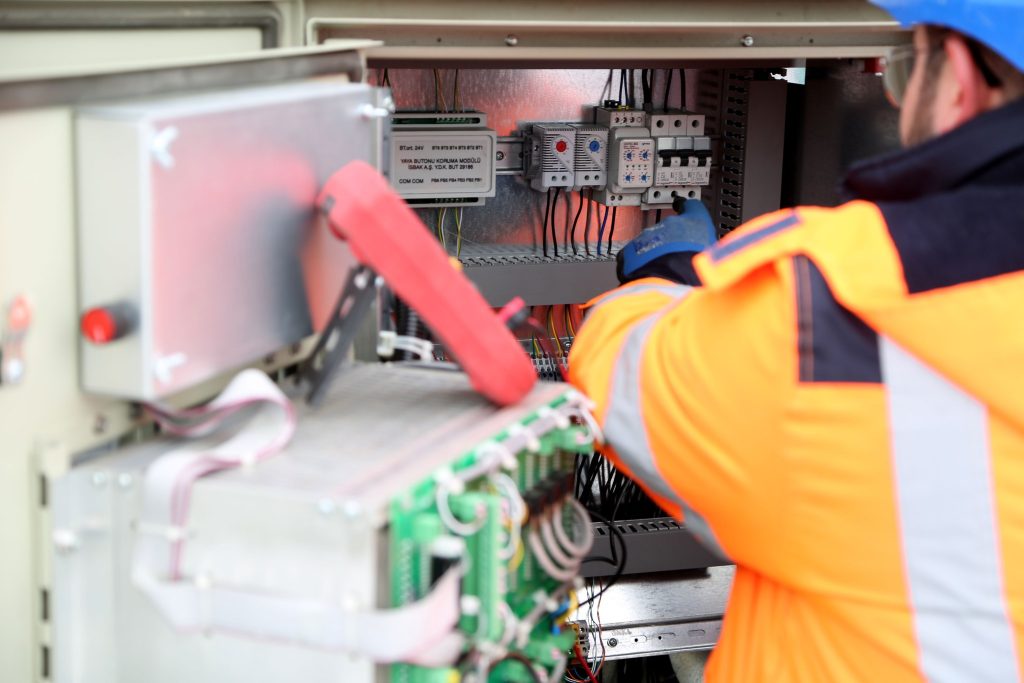
If you run a shop, office, factory or warehouse in Malaysia, your electrical system works hard every day. Lights, air-conditioning, computers, machines and security systems all depend on safe wiring. When did you last check your distribution board (DB box) or test your earth leakage protection? Regular commercial electrical maintenance helps prevent breakdowns, reduces fire risk and keeps your operations running smoothly. In this guide, we explain what a good maintenance plan looks like and why it matters for your business.
Why Commercial Electrical Maintenance Matters
Electrical faults don’t always announce themselves. A loose connection or worn-out cable can quietly overheat for months before causing a problem. For a business, that can mean sudden power trips, damaged equipment or even a fire. Good electrical maintenance services catch these issues early.
In Malaysia, commercial premises must follow MS IEC wiring standards. While you don’t need to memorise the rules, you do need to make sure your installation is safe and properly maintained. A qualified electrical contractor Malaysia businesses trust can help you stay on the right side of safety and compliance.
Maintenance also protects your bottom line. A tripping MCB or a failing RCD can shut down a production line or leave your shop in the dark during peak hours. Planned checks are far cheaper than emergency electrical repair Malaysia call-outs and lost business.
What a Good Maintenance Plan Covers
A proper plan goes beyond changing a light bulb. It looks at the whole system, from the incoming TNB supply to the last socket outlet. Here are the main areas to cover.
Distribution Board and Protective Devices
Your DB box is the heart of your electrical system. During maintenance, an electrician will check for heat damage, tighten connections and test the RCD/ELCB to confirm it trips correctly. They will also check that each MCB is the right size for its circuit.
Earthing System
Earthing gives fault current a safe path to the ground. If your earthing is poor, metal casings on equipment can become live. A maintenance visit should include an earth resistance test to confirm the system is working.
Cabling and Wiring Condition
Old or damaged cables are a common cause of faults. The electrician will look for cracked insulation, overheating, rodent damage and signs of overloading. Where needed, they can recommend electrical wiring services to replace unsafe sections.
Load and Power Quality Checks
Businesses grow and add equipment over time. A load calculation helps confirm your supply and circuits can handle the current demand. This is especially important for three-phase equipment in factories and workshops.
Lighting, Sockets and Fixed Equipment
Check that all lighting, socket outlets and fixed appliances are in good condition. Loose sockets, flickering lights and warm plugs are warning signs that should not be ignored.
Safety Systems
If you have a CCTV, alarm or door-access system, include them in the maintenance schedule. Backup batteries and connections should be tested so the systems work when you need them most.
How Often Should You Schedule Checks?
The right frequency depends on your type of business and how heavily your electrical system is used. As a practical guide:
- Monthly: Visual checks by your staff — look for burn marks, strange smells, flickering lights or tripping breakers.
- Every 6 to 12 months: A professional inspection of the DB box, RCD/ELCB testing and general wiring condition.
- Annually or as advised: More detailed testing, including earth resistance and thermal checks, especially for factories and high-load premises.
- After any major change: New equipment, renovations or a supply upgrade should be followed by an inspection and electrical installation services as needed.
Always engage a competent or licensed electrician for testing and repairs. DIY work on a live DB box is dangerous and may void your insurance or breach your tenancy agreement.
Choosing the Right Electrical Contractor
Not all contractors offer the same level of service. When you compare providers, look for one that is licensed and experienced with commercial premises. Ask whether they can provide a written checklist and a clear report after each visit.
A good contractor will also explain the findings in plain language. They should tell you what needs fixing now, what can wait, and what to monitor. If they recommend major work, ask for a breakdown so you understand the scope. This is especially useful when you need to plan electrical repair Malaysia budgets or discuss upgrades with your landlord.
Finally, check that the contractor handles TNB power supply applications if your business needs a new supply or an upgrade. Having one reliable partner for maintenance, repairs and applications makes life simpler.
Ready to put a proper maintenance plan in place? Contact our electrical team for an inspection, quotation or site visit. We’ll check your commercial electrical maintenance needs, explain the findings clearly and help you keep your business safe and running.