

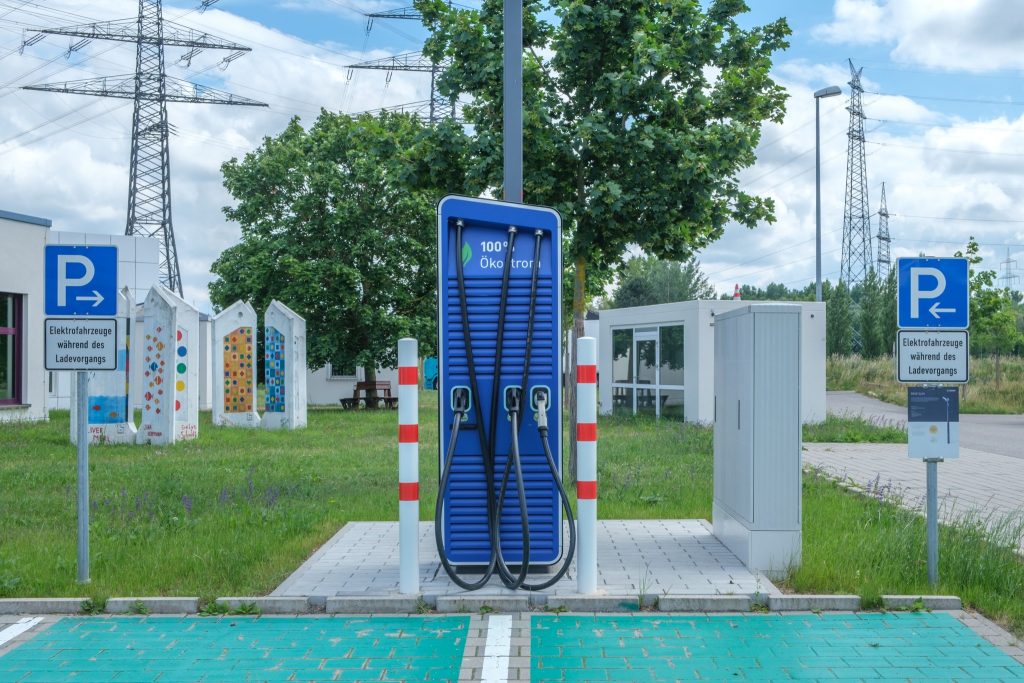
Thinking of installing a commercial EV charging station at your business? You’re not alone. More Malaysian businesses are adding charging points to attract customers and support the growing number of electric vehicles. But before you buy a charger, you need to get the electrical side right. This guide explains what’s involved, from load calculation to TNB supply applications, so you can plan with confidence.
Why Commercial EV Charging Stations Need Proper Electrical Planning
A commercial EV charging station draws a lot of power. Unlike a normal socket, it runs for long periods and can put a heavy load on your distribution board (DB box). Without proper planning, you risk tripping, overheating, or even a fire. That’s why you need a licensed electrician who understands three-phase systems and MS IEC wiring standards.
Many businesses start with a single charger but later add more. Good planning now saves you from costly upgrades later. Your electrician should assess your existing supply capacity and advise whether you need a new TNB supply application or an upgrade.
Key Electrical Requirements for EV Charging Stations
Every commercial EV charging station installation must meet safety and performance standards. Here are the main things your electrician will check:
- Load calculation: Determines if your current supply can handle the extra demand. This involves summing up the power of all chargers and comparing it to your existing load.
- Dedicated circuit: Each charger should have its own circuit with the correct cable size and MCB (miniature circuit breaker) to prevent overloading.
- Earth leakage protection: A RCD (residual current device) or ELCB is essential to protect users from electric shock.
- Earthing: Proper earthing ensures safety and stable operation of the charger.
- Weatherproofing: For outdoor installations, use IP-rated equipment and enclosures.
These are not optional extras. They are required for a safe and reliable installation. Skipping any of them could void your warranty or cause accidents.
The Installation Process: From Site Survey to Commissioning
Installing a commercial EV charging station is a multi-step process. Here’s what to expect when you engage a professional electrical contractor Malaysia:
1. Site Survey and Load Assessment
Your electrician will visit your site to inspect the existing electrical installation services. They’ll check your DB box, cable routes, and available space. They’ll also perform a load calculation to see if your supply is sufficient.
2. Design and Quotation
Based on the survey, you’ll receive a design proposal and a detailed quotation. This includes the charger model, cable specifications, protective devices, and labour. Make sure the quote covers everything, including any TNB application fees if needed.
3. TNB Application (If Required)
If your existing supply is insufficient, your electrician will handle the TNB supply application for you. This can take time, so plan ahead.
4. Wiring and Installation
Your electrician will run new cables, install the DB box if needed, and mount the charger. All electrical wiring services must comply with MS IEC standards. Proper cable sizing is critical to avoid voltage drop and overheating.
5. Testing and Commissioning
After installation, the system is tested for safety and functionality. This includes checking earth leakage protection, verifying correct polarity, and ensuring the charger communicates properly with the vehicle.
Ongoing Maintenance and Repair
Once your charging station is up and running, it needs regular care. Electrical maintenance services help prevent downtime and extend the life of your equipment. Schedule periodic inspections to check for loose connections, worn cables, and tripping issues.
If something goes wrong, don’t ignore it. A faulty charger can be a safety hazard. Call a professional for electrical repair Malaysia wide. They can diagnose the problem and fix it safely. Regular maintenance also keeps your warranty valid.
Remember, EV chargers are high-power devices. Only a competent electrician should open the unit or modify the wiring. DIY repairs are dangerous and illegal.
Choosing the Right Electrical Contractor
Not all electricians are experienced with EV chargers. Look for a contractor with a track record in commercial installations and a good understanding of three-phase systems. Ask for references and check that they are licensed to do wiring work. A reputable electrical contractor Malaysia will provide a proper quotation, handle TNB applications, and offer after-sales support.
Also, consider future expansion. If you plan to add more chargers later, tell your contractor now. They can design a system that can grow with your needs.
Ready to install a commercial EV charging station at your premises? Our team at Nisham Electrical is here to help. We provide site inspections, load assessments, and detailed quotations. Contact us today to schedule a visit and take the first step towards a safe and reliable charging solution.