

If you run a shop, office, or factory in Malaysia, you know how much your business depends on reliable electricity. A sudden power trip, flickering lights, or a burning smell from your distribution board (DB box) can bring everything to a halt. Commercial electrical repair is not just about fixing what’s broken—it’s about keeping your premises safe, your operations smooth, and your compliance with MS IEC wiring standards in check. In this guide, we’ll walk you through common issues, what to expect from a professional repair, and how to choose the right electrical contractor in Malaysia.
Common Commercial Electrical Problems (and Why They Happen)
Commercial buildings in Malaysia face unique electrical challenges. High-powered equipment, three-phase machinery, and constant usage can wear down even the best wiring over time. Here are some issues we often see:
- Frequent tripping of MCBs or RCD/ELCB – This could mean overloaded circuits, faulty appliances, or earth leakage that needs immediate attention.
- Flickering or dimming lights – Often a sign of loose connections, voltage drops, or an undersized wiring system.
- Overheated DB box or burning smell – A serious fire risk, usually caused by loose terminals, outdated wiring, or improper load calculation.
- Faulty power outlets or switches – Can lead to equipment damage or electric shock if not repaired promptly.
These problems rarely fix themselves. Ignoring them can lead to costly downtime, safety hazards, or even legal issues. That’s why it’s crucial to engage a licensed electrician for any commercial electrical repair work.
What to Expect from a Professional Commercial Electrical Repair Service
When you call in a professional electrical contractor Malaysia-wide, they should follow a systematic approach. Here’s what a proper repair job looks like:
1. Inspection and Fault Finding
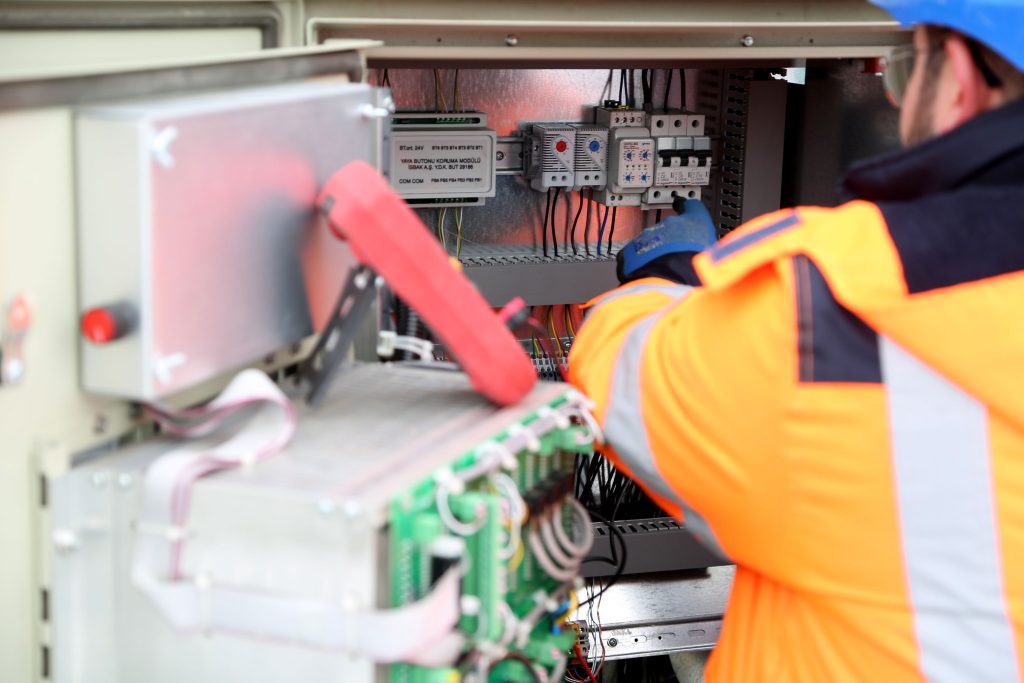
The electrician will first inspect your DB box, wiring, and equipment to identify the root cause. They may use tools like multimeters, clamp meters, and insulation testers. This step is critical—guessing can lead to recurring problems.
2. Repair or Replacement
Once the fault is found, the electrician will repair or replace faulty components. This could be as simple as tightening connections or as complex as rewiring a section of your premises. They should use approved materials that meet MS IEC standards.
3. Testing and Verification
After repairs, the electrician must test the system to ensure everything is safe and functional. This includes checking earth leakage protection, verifying correct polarity, and confirming that all circuits are properly labeled.
4. Documentation and Recommendations
A good contractor will provide a report of the work done and may recommend improvements, such as upgrading your electrical installation services or scheduling regular electrical maintenance services to prevent future issues.
Preventive Maintenance: The Smart Way to Avoid Emergency Repairs
Emergency repairs are stressful and costly. Regular electrical maintenance services can help you catch problems early and extend the lifespan of your electrical system. Here’s what a good maintenance program includes:
- Thermal imaging to detect hot spots in your DB box and wiring.
- Load testing to ensure your system isn’t overloaded.
- RCD/ELCB testing to confirm earth leakage protection is working.
- Cleaning and tightening of connections to prevent loose terminals.
- Review of your electrical wiring services to ensure they meet current standards.
By investing in maintenance, you reduce the risk of unexpected breakdowns and improve safety for everyone on your premises.
Choosing the Right Electrical Contractor in Malaysia
Not all electrical contractors are equal. When you need electrical repair Malaysia-based businesses can rely on, look for these qualities:
- Licensed and experienced – They should be registered with Suruhanjaya Tenaga (Energy Commission) and have a track record in commercial work.
- Familiar with TNB supply applications – If your repair involves upgrading your power supply, they should know how to handle TNB paperwork.
- Offers comprehensive services – From electrical installation services to CCTV and alarm systems, a one-stop contractor saves you time.
- Provides clear quotations – No hidden costs; they should explain what needs to be done and why.
- Prioritizes safety – They should follow safety protocols and use proper personal protective equipment (PPE).
Remember, any wiring work must be done by a competent or licensed electrician. DIY attempts can be dangerous and may void your insurance.
Don’t let electrical problems disrupt your business. Whether you need emergency repairs, a safety inspection, or a quotation for upgrading your system, our team is ready to help. Contact us today to schedule a site visit or ask about our commercial electrical services. We’ll make sure your premises are safe, compliant, and powered for success.