

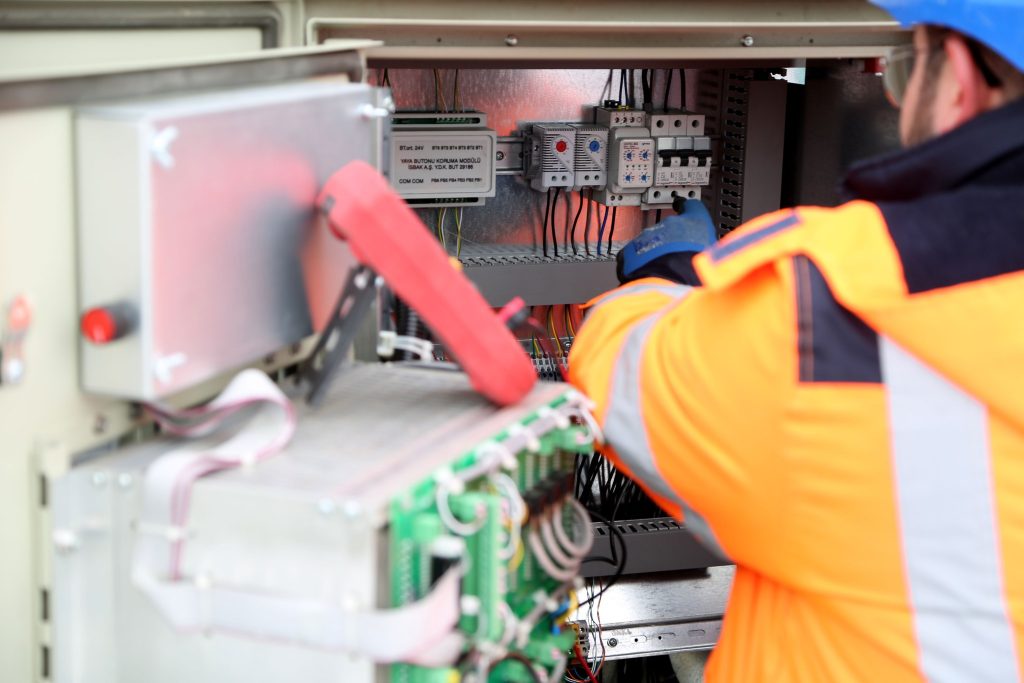
If you’re planning new wiring, a renovation, or an upgrade to your electrical installation services, knowing what to expect can save you time, money and stress. This guide walks you through the process step by step — from the first site visit to the final safety check. You’ll see how a licensed electrician works, what documents matter, and how to prepare your home or business. Let’s make your electrical project smooth and safe.
What Electrical Installation Services Usually Cover
Electrical installation services aren’t just about running wires. They include planning, load calculation, wiring, fitting fixtures, testing and safety checks. Whether it’s a new house, a shop renovation or a factory upgrade, the goal is a safe, reliable system that meets MS IEC wiring standards.
Here’s what a typical job includes:
- Site survey and load calculation to size your DB box and cables correctly.
- Electrical wiring services for power points, lighting, air-conditioners and equipment.
- Installation of RCD/ELCB and MCB protection for shock and overload safety.
- Earthing system installation and testing.
- Coordination with TNB for supply applications or upgrades.
- Final testing and handover with clear documentation.
Step-by-Step: What Happens During the Job
Knowing the sequence helps you plan around the work. Most projects follow these stages, though the details vary by site.
1. Consultation and Site Visit
The electrician visits your property to understand your needs, check the existing supply and measure the space. You’ll discuss appliances, equipment and future plans. This is when you ask questions about single-phase or three-phase supply.
2. Quotation and Planning
You receive a clear quotation covering labour, materials and any TNB application fees. The electrician prepares a wiring plan and load calculation so the DB box and cables are correctly sized.
3. Wiring and Installation
This is the main work: pulling cables, mounting boxes, installing the DB box, RCD/ELCB, switches and sockets. For businesses, it may include three-phase equipment and dedicated circuits.
4. Testing and Handover
The electrician tests insulation, earthing and RCD/ELCB tripping. You get a walkthrough of your new system and any certificates or documentation.
How to Prepare Your Home or Business
A little preparation makes the job faster and safer. Here’s how you can get ready:
- Clear access to the DB box, meter and work areas.
- List your appliances and equipment so the electrician can plan the load.
- Decide on socket, lighting and switch positions early.
- Keep children and pets away from work zones.
- Have your TNB account details ready if a supply application is needed.
Also, confirm the electrician is licensed and competent to do wiring work. Safety comes first — never attempt DIY wiring.
Why Choose a Licensed Electrical Contractor in Malaysia
Hiring a licensed electrical contractor Malaysia gives you peace of mind. They follow MS IEC wiring standards, use proper materials and test the installation before handing it over. They can also handle TNB power supply applications and upgrades for you.
Beyond installation, a good contractor offers electrical maintenance services and electrical repair Malaysia-wide. Regular maintenance catches loose connections, worn cables and tripping RCD/ELCB before they become hazards. For businesses, this means fewer breakdowns and safer premises.
Ask for a written quotation, check the scope of work, and confirm what’s included. A reliable contractor will explain everything in plain language and never pressure you into unnecessary work.
Ready to start your electrical project? Contact our friendly team for a site visit, inspection or quotation. We’ll help you plan the work, explain your options and make sure everything is done safely and to standard. Reach out today — we’re happy to help.