

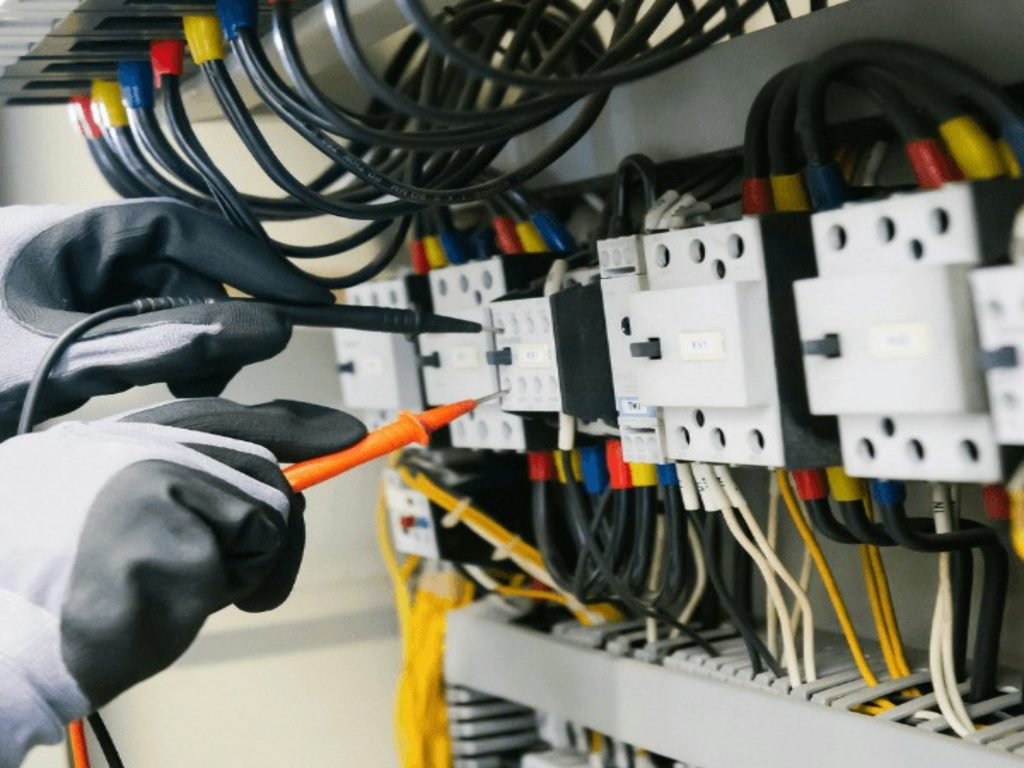
If you run a factory, warehouse, or large facility in Malaysia, you know that electrical problems can bring everything to a halt. Industrial electrical maintenance is not just about fixing things when they break; it is about preventing breakdowns before they happen. In this article, we explain what planned maintenance involves, why it matters, and how to keep your operations running smoothly and safely.
Why Industrial Electrical Maintenance Matters
Factories and large facilities rely on a complex network of electrical systems to power machinery, lighting, and safety equipment. Without regular maintenance, small issues like loose connections or worn-out components can escalate into major failures or even fire hazards. Industrial electrical maintenance helps you avoid unplanned downtime, extend the life of your equipment, and ensure a safe working environment for your staff.
In Malaysia, electrical installations must comply with MS IEC wiring standards and regulations set by Suruhanjaya Tenaga (Energy Commission). A proper maintenance programme helps you stay compliant and ready for inspections. It also protects your investment in expensive machinery and reduces the risk of costly repairs.
What Does Industrial Electrical Maintenance Involve?
A good maintenance plan covers all aspects of your electrical system, from the main incoming supply to the smallest control panel. Here are the key areas:
- Switchgear and distribution boards (DB boxes): Regular inspection of MCBs, RCDs/ELCBs, and busbars to ensure they operate correctly and are free of dust or corrosion.
- Transformers and generators: Checking oil levels, cooling systems, and connections to prevent overheating and failures.
- Cabling and wiring: Inspecting for damage, overheating, or loose connections. Electrical wiring services may be needed to replace deteriorated cables.
- Motor control centres (MCCs) and control panels: Cleaning, tightening connections, and testing relays and contactors.
- Earthing and lightning protection: Testing earth resistance to ensure safety and equipment protection.
- Emergency lighting and fire alarm systems: Regular testing to ensure they work when needed.
The Importance of Load Calculations
As your operations grow, you may add new machinery or equipment. Without proper load calculations, you risk overloading circuits, which can lead to tripped breakers, overheating, or even fires. A professional electrician can assess your existing load and recommend upgrades or additional circuits to handle increased demand safely.
Thermal Imaging and Testing
Modern maintenance often includes thermal imaging to detect hot spots in electrical panels and connections before they fail. Other tests, such as insulation resistance and earth continuity, help identify hidden problems. These proactive checks are part of comprehensive electrical maintenance services offered by experienced contractors.
Creating a Maintenance Schedule That Works
Every facility is different, so your maintenance schedule should be tailored to your equipment, usage, and environment. Here are some practical steps to build an effective plan:
- Inventory your equipment: List all electrical assets, including panels, motors, and generators, with their ratings and locations.
- Set frequencies: Determine how often each item needs inspection based on manufacturer recommendations and criticality. High-use equipment may need monthly checks, while others can be quarterly or annually.
- Keep records: Maintain a log of all maintenance activities, test results, and repairs. This helps track performance and plan budgets.
- Train your staff: Ensure your team knows how to report electrical issues and perform basic visual checks safely.
- Engage a professional: Work with a qualified electrical contractor Malaysia to handle complex tasks and ensure compliance.
Remember that electrical installation services for new equipment or modifications should always be done by a licensed electrician. DIY work on industrial systems is dangerous and can void warranties or insurance.
When to Call a Professional for Help
While your maintenance team can handle routine checks, some situations require expert attention. Call a professional electrician if you notice:
- Frequent tripping of breakers or RCDs
- Burning smells or discoloured outlets and panels
- Flickering lights or equipment that behaves erratically
- Physical damage to cables or conduits
- Plans to expand or upgrade your electrical system
For urgent issues, reliable electrical repair Malaysia services can minimise downtime and restore safety quickly. A professional can also advise on energy efficiency improvements and upgrades to meet current standards.
Conclusion
Industrial electrical maintenance is an investment in your facility’s safety, reliability, and productivity. By implementing a planned maintenance programme and working with qualified professionals, you can avoid costly breakdowns and keep your operations running smoothly. Whether you need a routine inspection, emergency repair, or a full maintenance plan, our team is here to help.
Contact us today to schedule a site visit or request a quotation for your industrial electrical maintenance needs. Let us help you keep your factory powered safely and efficiently.