

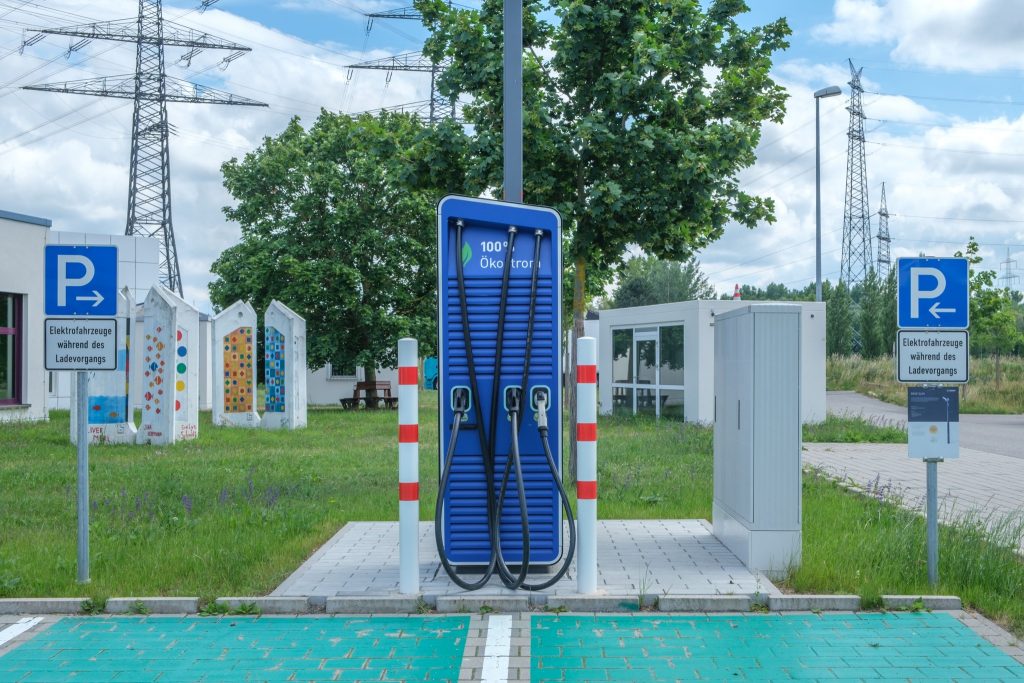
Thinking about EV charging station installation for your home, shop, or factory? You’re not alone. More Malaysians are switching to electric vehicles, and a proper charging point is essential. But installing one isn’t just about plugging in a charger. It involves safe wiring, correct load calculation, and compliance with MS IEC standards. In this guide, we explain what you need to know before you install an EV charger in Malaysia. We’ll cover the types of chargers, the electrical work involved, safety considerations, and why you should hire a professional electrical contractor Malaysia trusts.
Why Proper EV Charging Station Installation Matters
An EV charger draws a lot of power, often more than your regular appliances. If installed incorrectly, it can overload your distribution board (DB box), cause overheating, or even start a fire. That’s why proper installation is critical. It’s not a DIY job. You need a licensed electrician who understands your home’s wiring capacity and can ensure everything is safe and up to code.
In Malaysia, electrical installations must follow MS IEC wiring standards. This includes using the right cable size, proper earthing, and adequate earth leakage protection (RCD/ELCB). A qualified electrician will assess your existing electrical installation services and upgrade them if needed.
Types of EV Chargers and What They Need
There are three main types of EV chargers available in Malaysia: slow, fast, and rapid. Each has different power requirements and installation needs.
1. Slow Chargers (AC Level 1)
These plug into a standard 3-pin socket and are the slowest option. They’re convenient but not recommended for regular use because they can overload your socket. If you use one, make sure the socket and wiring are in good condition.
2. Fast Chargers (AC Level 2)
These are the most common for home and business use. They require a dedicated circuit and typically need a single-phase or three-phase power supply, depending on the charger’s rating. Installation involves running a new cable from your DB box to the charger location, installing a dedicated MCB (miniature circuit breaker), and ensuring proper earthing.
3. Rapid Chargers (DC)
These are high-power chargers used for public charging stations. They require three-phase supply and significant electrical infrastructure. For most homes and small businesses, AC Level 2 is sufficient.
The Installation Process: What to Expect
Here’s a step-by-step overview of what a professional EV charging station installation involves:
- Site survey and load calculation: The electrician checks your existing electrical system, including your DB box, main switch, and wiring capacity. They calculate the additional load to ensure your supply can handle it.
- Upgrading if necessary: If your current wiring or DB box is insufficient, you may need electrical wiring services to upgrade the system. This could include replacing old cables, adding a new DB box, or increasing your TNB supply capacity.
- Running cables and installing the charger: The electrician runs a dedicated cable from the DB box to the charger location, installs the charger, and connects it to a dedicated circuit breaker.
- Testing and commissioning: After installation, the electrician tests the charger to ensure it works correctly and safely. They also check for proper earthing and RCD protection.
Remember, all wiring work must be done by a competent electrician. Don’t attempt to install an EV charger yourself.
Safety First: Key Considerations
Safety is paramount when installing an EV charger. Here are some important points:
- Earthing: Proper earthing is crucial to prevent electric shock. Your electrician will ensure your earthing system meets the required standards.
- RCD/ELCB protection: An RCD (residual current device) or ELCB (earth leakage circuit breaker) is essential to protect against electric shock. It should be installed on the circuit supplying the charger.
- Cable size and type: The cable must be sized correctly for the charger’s current and the length of the run. Using undersized cables can cause overheating and fire.
- Weatherproofing: If the charger is installed outdoors, it must be protected from rain and sun. Use a weatherproof enclosure and ensure the installation is suitable for outdoor use.
- Regular maintenance: Like any electrical system, EV chargers need periodic checks. Consider signing up for electrical maintenance services to keep your charger in good condition.
If you notice any signs of trouble, such as burning smells, tripping breakers, or damaged cables, call a professional for electrical repair Malaysia immediately.
Hiring a Qualified Electrical Contractor
Not all electricians are qualified to install EV chargers. Look for a licensed electrician with experience in EV charging station installation. They should be able to provide a proper quotation, explain the work involved, and ensure compliance with local regulations. A good contractor will also handle any necessary applications to TNB for supply upgrades if needed.
At nishamelectrical.com.my, we provide professional electrical installation services for EV chargers across Malaysia. Our team is experienced in handling both residential and commercial installations, ensuring safety and reliability. We also offer electrical repair Malaysia and maintenance services to keep your system running smoothly.
Ready to install your EV charging station? Contact our friendly team for a site visit and quotation. We’ll assess your needs and recommend the best solution for your home or business. Let’s make your EV charging safe and hassle-free.